Fables and Tall Tales Activities for Children

by Mary Ann on August 9, 2011

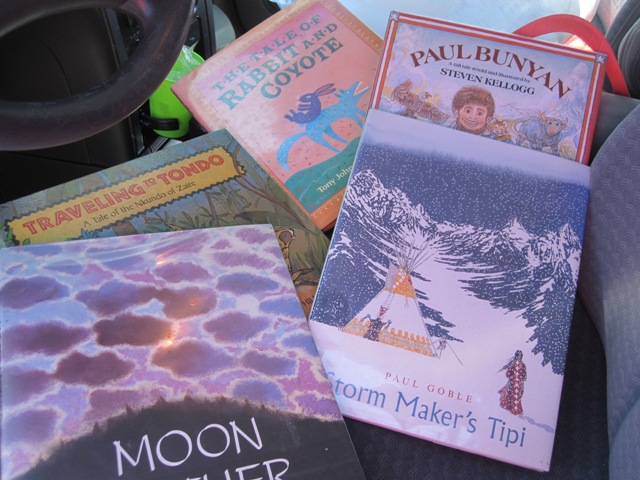
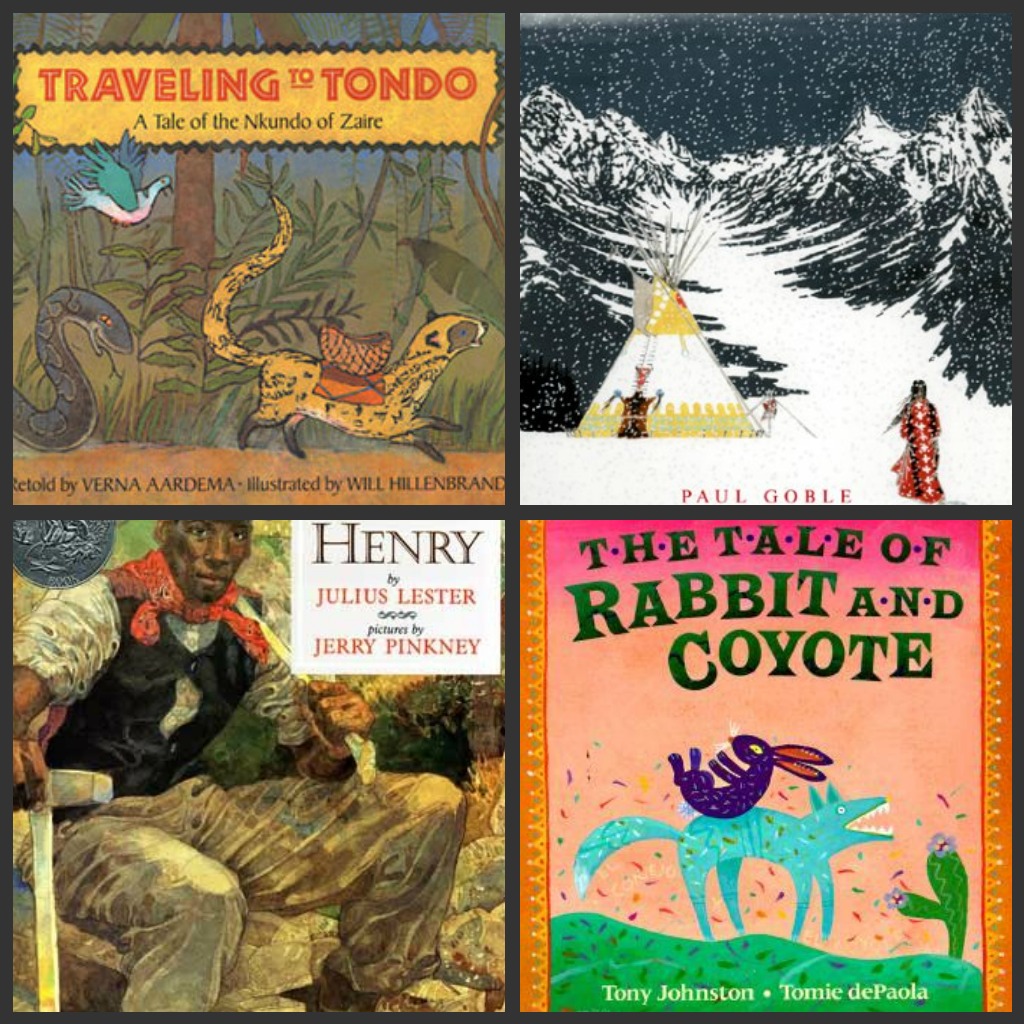
picture of fable and tall tale books

There are literally hundreds of books of Fables and Tall Tales for children

This week my goal was to talk with Jack and Maggie about Fables. This is a topic that I thought would be great for children from 2 to 13. I found, however, that it might not be the best for kids under six. That being said, when you have older children and younger children, then younger children tend to engage in what they might otherwise find boring just because a sibling is doing it.

I checked out many wonderful books from the library and also made a list for those of you with older children. The assortment was amazing. Just reading them gave me some great ideas for fable/tall tale activities.

I realize that there is a difference in a tall tale, a fairy tale and a fable. Fables teach a moral lesson, tall tales are exaggerated stories and fairy tales include gnomes, fairies and other enchanted folk. Some of the books I choose were fables and some were tall tales but I didn’t plan on differentiating that for Jack and Maggie. You will find a large book list below.

I asked Jack to guess what a fable was. He replied “A monster”.  I told them that it was a pretend story and that every country where people live they have fables or pretend stories.

I choose a fable from Bali, Zaire, Mexico, two from the Native Americans and one from America. I have a large world map and I helped them locate each country we were going to talk about. Both Jack and Maggie are too young to really understand the concept of the world and how maps work but I thought I would introduce the idea and the map.

My plan was to read a book and then have some fable/tall tale activities, food, crafts or game from those countries.
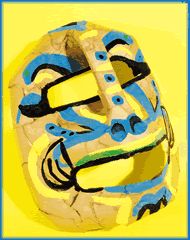
picture of mask from bali

A mask from Bali

For Bali I had the directions for very cool masks. Older kids will LOVE making these.

For Zaire I found a very fun game called Banyoka. Banyoka is played outdoors among the rocks and trees in Zambia and Zaire. Banyoka means ‘the snake’. It is an obstacle course game that can be played with two or more children and adults.

How to play Banyoka game:

An obstacle course is chosen using trees, rocks and bushes.  If rocks and bushes are unavailable then create an obstacle course by using household items such as chairs, boxes, tires, toys, etc.
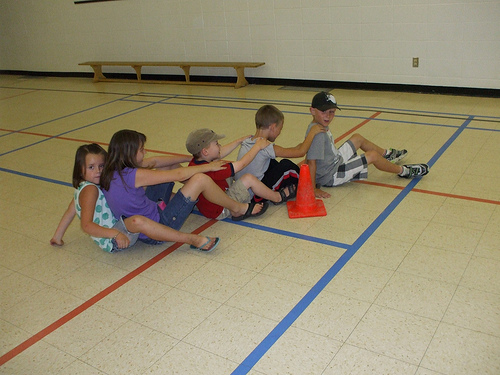
kids playing banyoka game pictures

Playing Banyoka, a game from Zaire

Divide the players into 2 groups, the more children the more challenging the game. Each group forms itself into a snake (banyoka) by players sitting on the ground behind each other. The legs are spread apart and arms are placed around the waist of the child in front of them.

Each ‘snake’ moves together by shuffling on the ground and moving side to side. They move around their obstacle course toward the finish line. They are not allowed to disconnect from each other which makes it a little tricky when going around the trees and rocks! The winning team is the first to cross the finish line.

I wasn’t going to make a competition of it, just do the course for the fun of it.
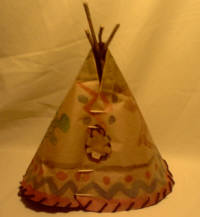
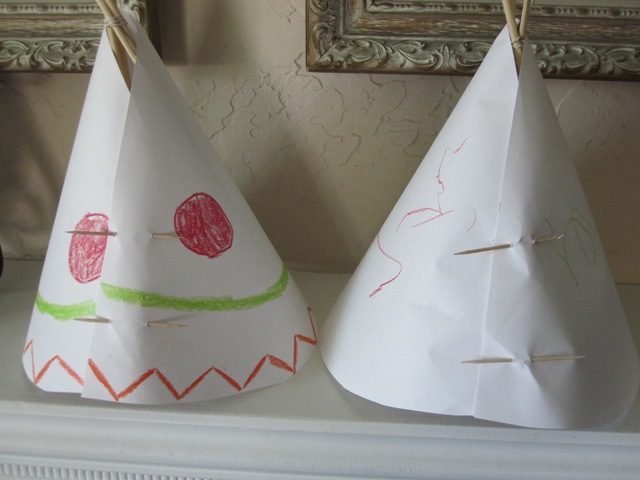
black foot tipi craft picture

A Blackfoot Tipi craft

For the two Native American books we were going to make a tipi craft. One of the books, Storm Makers Tipi by Paul Goble, has great details about tipis and also a pattern at the end of the book. I also found an elaborate tipi craft made out of paper bags that older children would really enjoy making.

The fable that I choose from America (actually a tall tale) was about Paul Bunyan. I had downloaded a free coloring page of Paul and Babe the blue ox.

After the book on Mexico I had all the fixings so each child could make and eat their own tacos.

This particular Traveling Closet would be good spread out over a few weeks. Each week introduce a new set of  books and highlight one country to find out more about , make crafts and eat food that you would find in each country.

Fables and Tall Tales for Children:

  • The Tale of Rabbit and Coyote by Tomie dePaola – A charming story of why the coyote howls at the moon, along the lines of Brer Rabbit and the Tar Baby.
  • Storm Makers Tipi by Paul Goble – A beautifully told tale about the tipi of the Blackfoot tribe. The book has detailed drawings and at the end a pattern to make your own but the text is written for young children.
  • Paul Bunyan by Steven Kellogg – A great American favorite.
  • Traveling to Tondo retold by Verna Aardema – A wonderful tale from the  Nkundo people ofZaire. It is a tale about the pitfalls of blindly doing what your friends say.
  • Moon Mother by Ed Young – A creation story of the Native Americans.
  • Lon PoPo by Ed Young – A Red Riding Hood story from China
  • John Henry by Julius Lester – A beautifully illustrated story of an American fable.
  • Ten Suns retold by Erica A. Kimmel – It is one of the oldest Chinese myth/fables.
  • La Pin Plays Possum bySharonArms Doucet  – Trickster Tales from theLouisianaBayou
  • The Love of Two Stars by Janice Park – FromKorea
  • Folk Tales and Fables of Asia and Australia by Robert Ingpen
  • Folk Tales and Fables of the World by Barbara Hayes
  • Dreamtime: Aborginal Stories by Oodgeroo Nunukul  – Australian stories
  • The Magic Nesting Doll by Jaqueline K. Ogburn – A sory fromRussia
  • The Firebird by Jan Yolen
  • The Girl Who Wore Too Much by Margaret McDonald – A story fromThailand
  • Tales from Africa by Mary Medlicott
  • Tale of the Firebird by Gennady Spirin – A tale fromrussia
  • The White Cat by Robert San Souci  – A French fable.
  • The Adventures of Tom Thumb by Marianna Mayer – An English tale
  • With a Whoop and a Holler by Nancy Van Laan – American folklore of the South
  • American Tall Tales by Mary Pope Osborne

Possibly Related Posts:


{ 0 comments }

fables books pictures

Fables and Tall Tales

I was soooooo impressed with the books!! There were fables, tall tales and fairy tales from all over the world. I couldn’t stop looking at all the pictures and reading the stories.

This would be perfect for the Traveling Closet. I could tell the kids all about fables and we would read stories and have so much fun!! Anticipation is a wonderful thing.

Sometimes the anticipation is better than the event. Today’s Traveling Closet didn’t go quite how I anticipated it would. That is really a good thing because it lets me remind you of what is real when working with children. They don’t always love your ideas, they aren’t always interested, sometimes they want to do what they want and that is how it is.

I get letters from mom’s who say “We have had such a wonderful time for the last few weeks. This week it just isn’t going as well.” Welcome to the real world. We get in trouble when we can’t let go of our expectations and adjust to what is happening. We need to be flexible.

So how did it go today? Jack wanted to go to the store with his mom. I showed him all the amazing books. I showed him the tipi we were going to make. I told him we were having tacos!!! No dice. He wasn’t having any of it. He was going to the store.

tipi craft pictures

Maggie's "half-hearted" tipi and mine

So it was Maggie and me. She loves reading but these books weren’t all that exciting to her. We read about three. We made our tipi but she was very half hearted about it. She made it perfectly clear she didn’t want to color Paul Bunyan or Babe, his blue ox!

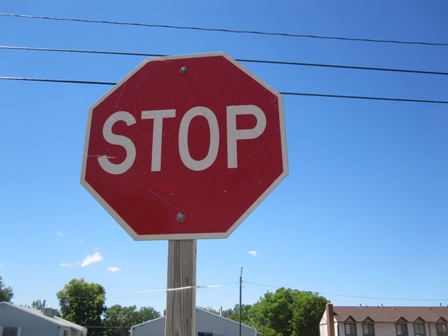
So I let go of my expectations and adjusted. I decided that being flexible might be my best option.  “Maggie lets go to the garden and water and have our reading lesson on the way. OK” BIG happy response. I have been teaching Maggie reading and she is so excited about it. We have been talking about all the ways words are used and how important they are. We did that on the way to the garden and back. We talked about each street sign, stop sign, for sale sign and so forth.

stop sign picture

Doing some reading recognition activities

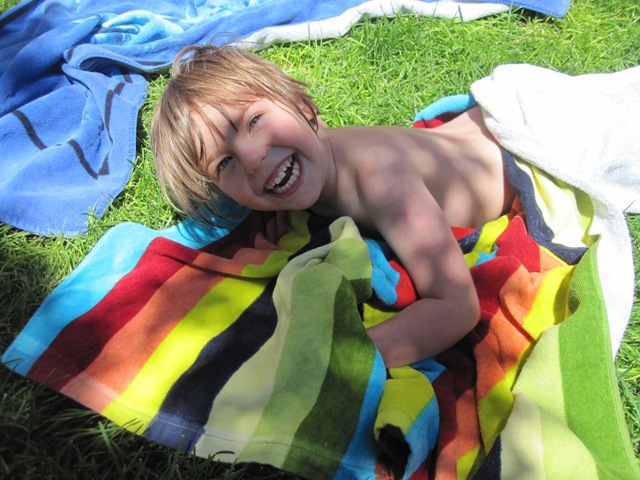
Back at home we filled up the swimming pool. Maggie was in the bouncer hanging from the tree. Since it was just her I stuck the pool right under her. Because it was just her we filled it all the way to the top. She played in the hose and got soaking wet; we ate ice cream.

That was how today’s grandma school went. Maggie and I had a great time. We had an “its summer time” time. Jack had fun shopping and later swimming with us. That is how it is sometimes. You have to let go of expectations and be OK with how it goes. That makes for happy Grandmas and happy children. It also makes for happy mommas and dads.

Tomorrow I will give you all the information on what I planned on doing today. It really was a great plan and your children may just love it!

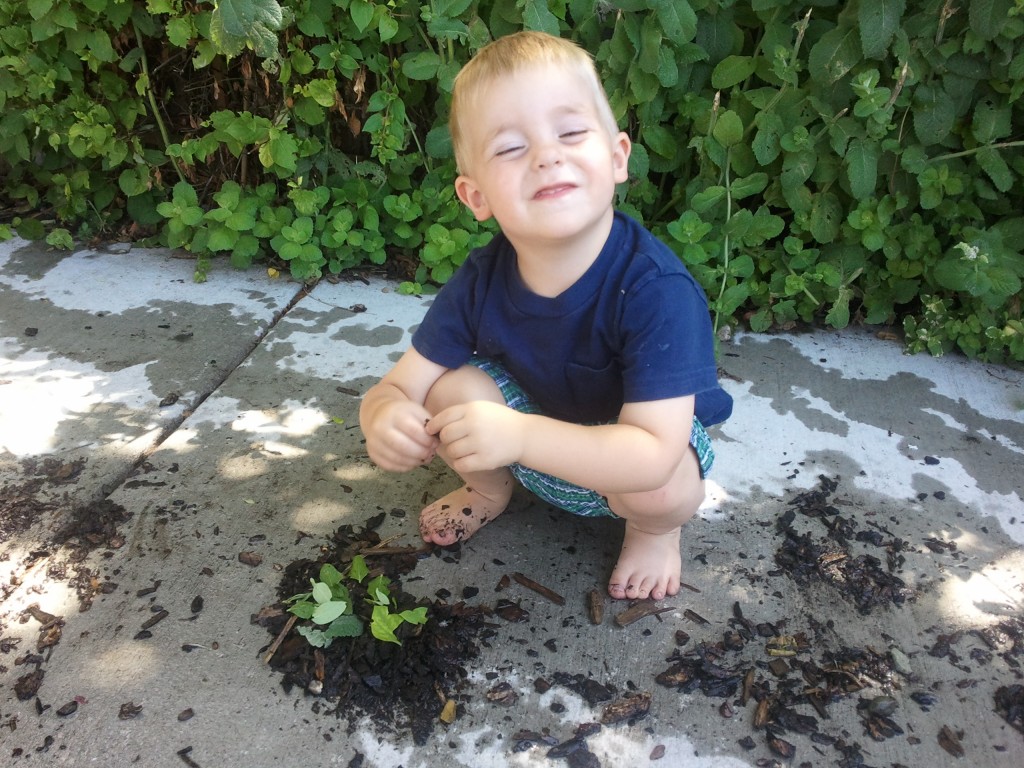
little girl playing in the garden

The end of a very successful, if very different than planned, Grandma School. Flexibility saved the day!

Possibly Related Posts:


{ 0 comments }

Kids want to learn and kids love to explore!

by Mary Ann on August 4, 2011

little Jack with the garden he built

Jack's "I built it myself" garden

Children really are wonderfully eager to learn! This last Monday I wrote about last Fridays Traveling Closet. We learned all about gardening for children. Today my grandson made his own garden and then called his mom. “Do you want to see what I just made that is GREAT!!?” Jack was very excited.

Jack had made his own garden. His wonderful mom captured it on video for you to enjoy.


Then, if you recall, the first week of July I went on a vacation with Jack and Maggie. Our Traveling Closet that week was all about Fairies and we built a fairy house in the woods at Yellowstone Park. I sent the link to that post to my granddaughters in Colorado.

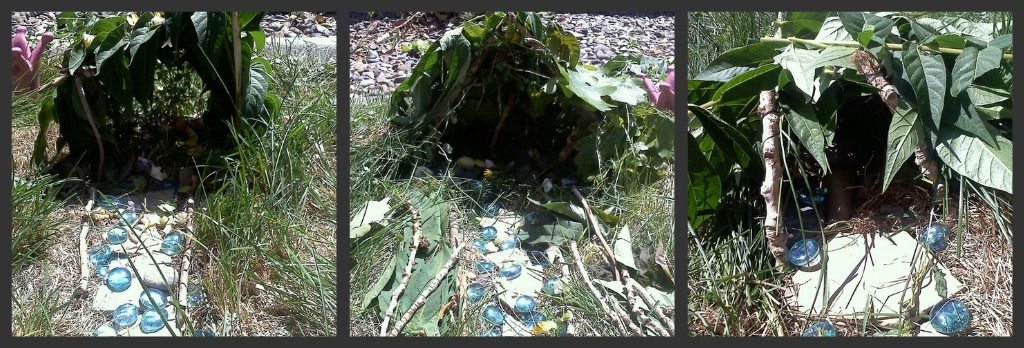
A while later I received these lovely pictures of their fairy houses in their back yard. They had learned about fairies too.

fairy houses in the back yard

Ashley, Aubrey and Lizzy's backyard fairy house

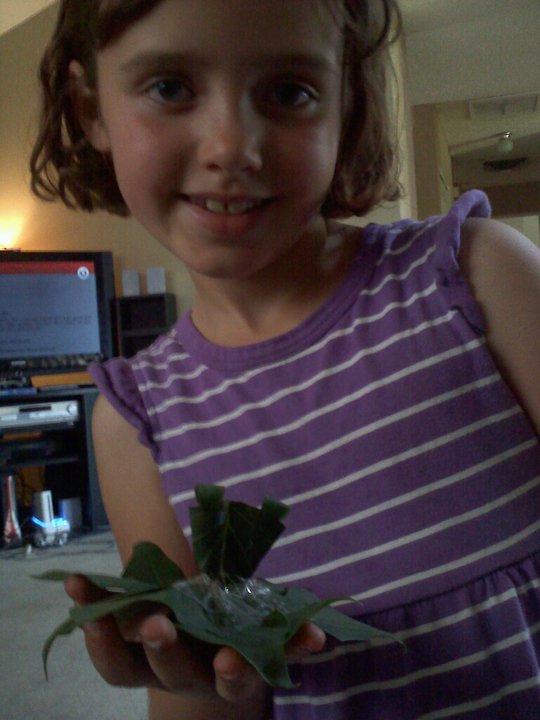
girl with the fairy dress she made

Lizzy's fairy dress creation

It doesn’t really matter so much what you share with children. They are truly eager to learn, to think about new things and to experiment with what they learn. Kids are natural adventurers and kids love to explore. The biggest challenge we as parents have is making time to share with them, listening to them and giving them real conversation in return. What we have the biggest challenge doing is “being present”.  So help your children learn better and with more joy by being present with them and doing some learning yourself.

Being present is a skill that anyone can learn and when we adults do learn it and then implement it into our homes it can be truly transformational.  Why not read a bit more about the art of “being present” and then practice it next week. It won’t be easy but the more you do it the better you will get. Why not come back at the end of the week and leave me a comment. I want to know how it goes! : )

Possibly Related Posts:


{ 0 comments }

Basic Math Concepts Ideas for Preschoolers

by Mary Ann on August 2, 2011


counting game pictures

Teaching children sorting is a preschool math concept

Jack can count to ten and he is very proud of that fact. He can also say his ABC’s. But Jack still doesn’t really understand how either one is actually used. Jack still needs to learn some math concepts for preschoolers. Listen to this conversation I had with Jack.

“Jack you need six cookies. Can you count the six cookies?” Jack who is three got four cookies out and said three. “Jack lets lay them out and count them and see what else you need.” One, two, three, four. “You have four cookies Jack but we need six cookies. That means we need two more cookies.” Jack gets two cookies and we lay them alongside the original four. “OK, let’s see if we have six cookies.” One, two, three, four, five, six. “Good job Jack that’s six cookies. And so it went as we counted the marshmallows and the M and M’s.

We are really proud when our preschool children can sing the ABC song and count to 10. What matters though is that they understand some preschool math concepts. These basic math concepts help preschoolers understand how to actually use numbers (Teach kids numbers with number recognition games) and will help them enjoy the process of learning math more. Young children need to experience a lot of ‘doing’ and ‘saying’ before written numerals will make sense to them.

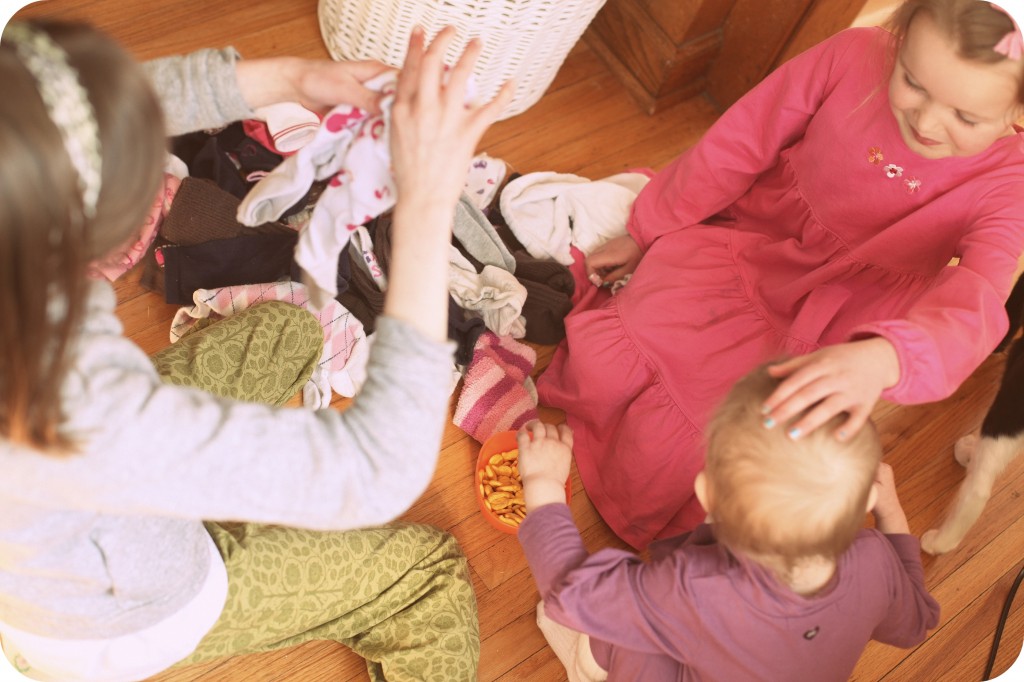
kids sorting socks photo

Sorting socks teaches a preschool math concept

When we are doing projects and working around home we can teach these basic preschool math concepts by having our children help us with our work and by playing with them.

It is helpful to know (and good for our budget!) that learning  math concepts for preschoolers requires no textbooks, workbooks or special equipment.

Here are some early math concepts and some activities to help your preschooler:

Math ideas and math activities for preschoolers:

1. Concept one – Teaching children Same and Different

By offering choices to your child you can help him learn to recognize different traits in objects. Do you want to wear the red shirt or the green one? Do you want to go down the long slide or the short slide?

You can play some sorting games by laying out four items in a row, one that is very different such as three forks and a plate. When they can choose the odd item regularly then make the game a bit more challenging. Lay out four more objects with only one different trait such as three red barrettes and one blue or three teaspoons and one  tablespoon.

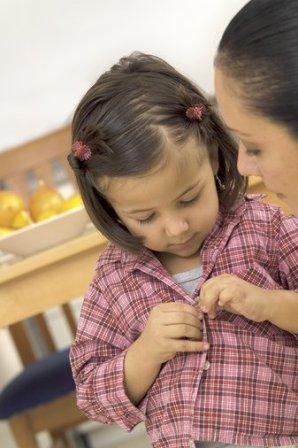
little girl choosing clothes pictures

Letting children choose their clothes helps develop a basic math concept

2. Concept two –  Teaching children Sorting

When your child understands the concept of “same and different” he will be able to easily begin sorting. Sorting requires a child to identify certain attributes in an object, such as color, size, item usage, etc., and then form a group of objects according to those traits. As adults we sort every day, putting away groceries, sorting laundry, sorting mail, etc.

Involve your young child in some of the sorting that regularly happens in your home. Give him the pile of socks to pair up while you are folding clothes. Have him determine which foods go in the pantry, the freezer or the cupboard. Let him put away the silverware. When he is picking up toys have him put like toys into separate buckets or boxes. You can play sorting games with them by having them separate the play food into main dish and desert piles or separate the plant eating dinosaurs from the meat eating ones.

3. Concept three – Teaching children Patterns

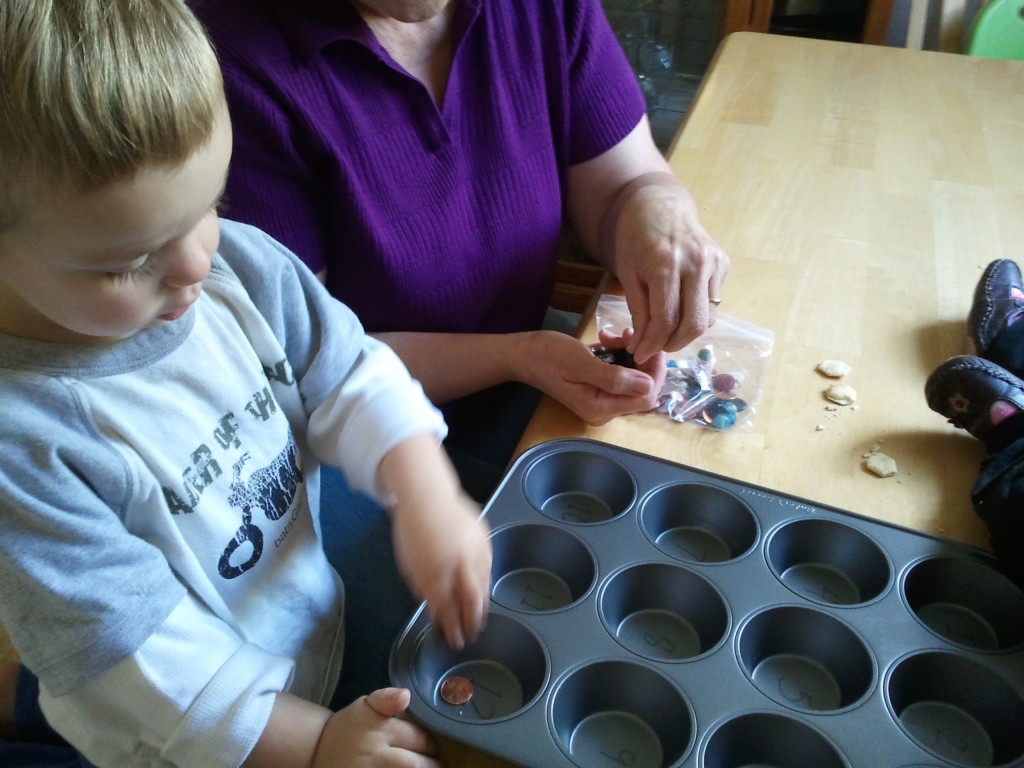
Patterns are all around us in music, art, building designs, nature. You can use toy race cars, building blocks, pencils, coins, buttons, beads, candies, etc. to create patterns. Line up a pattern using two attributes: red bead, green bead, red bead, green bead. What bead comes next?

When your child can easily copy your simple pattern and extend it correctly, then add a third attribute. Red bead, green bead, yellow bead. Keep building the base pattern when your child has mastered the previous one. Have your child make a pattern for you to follow.

As you extend your child’s pattern, speak out loud for your child to hear how you solve the problem. For example, “Okay, I see first a blue button, next a black button, then a yellow button. Since the first button is blue, I will place a blue button next in the pattern.”

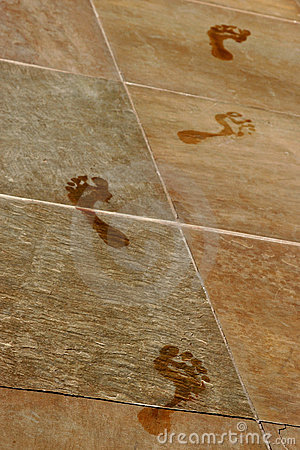
Look for patterns all around you and help your child see them in flowers in a garden, silverware on the table, products on a store shelf. Ask questions such as “Do you see the pattern your feet make on the sidewalk when you walk through a puddle?”

footprints picture

Patterns can be found everywhere - help your child find them

Same and different, sorting and patterns are a few of the many easy to apply math concepts that you can do with your preschooler.

Possibly Related Posts:


{ 0 comments }