Educational styles and methods
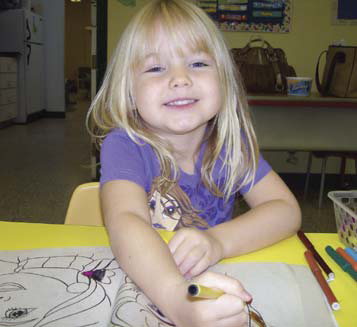
kid coloring pictures

There are many educational styles and methods

When I was given a list and asked to prepare a description of the most common educational options, I found that the list also contained styles and methods of education. Here is a basic description of these styles and methods.

It is interesting to note that all these styles and methods are used by home school families, including the public school style.

You will also find these styles and methods being used in all the other educational options we have discussed, except for public school. You will however, find in public schools, individual teachers who believe in and introduce some of these learning styles and methods into their classes.
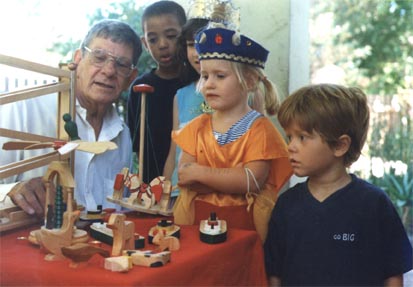
waldorf education pictures

Waldorf edcation

Waldorf Education – This is also known as Steiner or Steiner-Waldorf education. It is  humanistic in its approach. The premise is that a being is made up of body, soul and spirit. The education mirrors the basic stages of a child’s development from childhood to adulthood, which in general reflects the development of humanity through history from our origin, far back in past times, up to the present.

The central focus for the Waldorf teacher is the development of that essence in every person that is independent of external appearance, by instilling in their pupils an understanding of and appreciation for their background and place in the world, not primarily as members of any specific nation, ethnic group or race, but as members of humanity and world citizens.
Charlotte Mason pictures

Charlotte Mason education

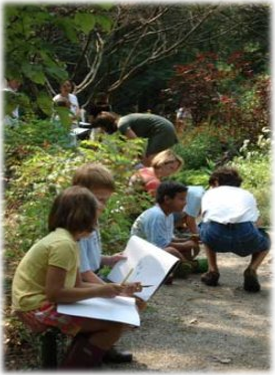
Charlotte Mason – Charlotte Mason focused on the value of children and she believed them to have very capable minds. Her approach advocates reading good books from original sources and spending lots of time in nature. It is a liberal arts based philosophy. The goal is to bring a wide variety of meaningful subjects to the children via literature, masterpiece artwork, poetry, and various other humanities.

Along with these inspirational additions the core subjects are in no way neglected but they are approached in such a manner as to foster the love of learning. Even with subjects such as history, foreign languages and science, Charlotte Mason created intriguing ways to help them come to life.
montessori classroom pictures

Montessori education

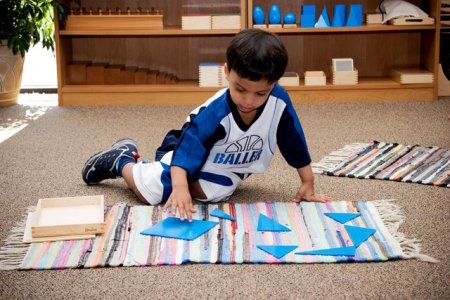
Montessori – This method is an educational approach for children based on the research and experiences of Italian physician and educator, Maria Montessori. It arose in the process of her experimental observation of young children. Based on her observations, she created an environment prepared with materials designed for their self-directed learning activity.

The basis of the Montessori method in the classroom is mixed age group (3 ages – 6 ages in one class), individual choice of research and work, and uninterrupted concentration. Group lessons are seldom found in a Montessori classroom.

Although the Montessori name is recognized by many, it is not a trademark, and it is associated with more than one organization. Schools and teacher training programs can differ in their interpretation, intensity, practical application, and philosophy in using this method with children.

Today we have looked at three well known educational methods. Tomorrow we will find out the defenitions of four types of home schooling styles and methods.

Here is a wonderful blog about activities to build executive functioning. A very interesting concept!

Possibly Related Posts:


{ 0 comments }

Integral parts of home school from A-Z

by Mary Ann on January 27, 2011

This is a sequel to the post, ABC’s of home schooling,which has A-N described.

alphabet blocks images

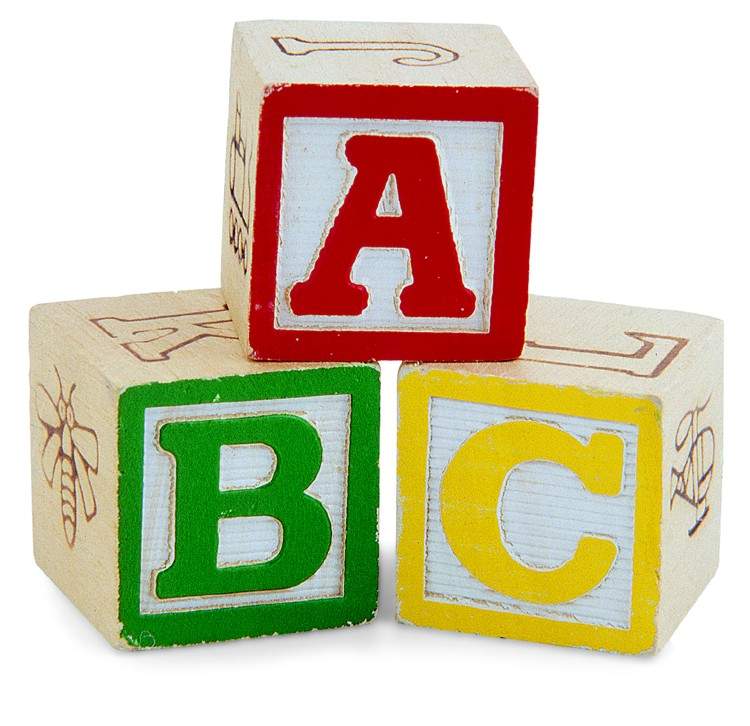
ABC's for Homeschooling

O

is for Outdoor Activities. Outdoors is where life and learning are happening. A spelling game can be played walking to the mailbox.

family hiking pictures

Hiking - a great family activity

Hiking and camping trips are not limited to weekends. A sailboat can be a classroom. A bike ride can be a biology field trip. Bird watching can lead to a lifetime of learning.

P

is for Parents who chose to give their children a chance to learn differently: Parents who go against the conventional wisdom of family and friends, parents who make professional sacrifices to spend the short years of childhood with their children, parents who take responsibility for educating their children without the financial support of government institutions. Parents have the right to choose how their children are educated without the interference of the government. Homeschooling parents devote much energy and time to allow their children to learn in freedom from constraints of artificial standards and environments. Being a homeschooling parent is not the easiest path to take, but it can be a very rewarding journey.

Q

is for all the Questions that children ask. Asking questions and searching for the answers is the true art of learning. A simple question from a child like “How do joey kangaroos get into the mother’s pouch?” can lead to a learning adventure of finding books at the library, videos, internet searches, kangaroo craft projects, and more.

R

is for Reading, reading, reading! How can children be successful in life? By reading, reading, reading! How do children learn to read? They have parents that read, read, read to them. They read books, newspapers, magazines, comic strips, dictionaries, encyclopedias, children’s books and more. There is no magic formula to learn how to read, but children who are read to daily for as little as fifteen minutes from the time that they are born will develop reading skills quite naturally.

S

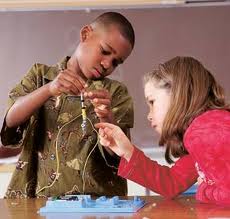
is for Simple Science Experiments that you can do in your kitchen or your garage that can provide more opportunities for young

kids making electricity pictures

Science is fun

minds to learn than the most advanced science labs in any school building. Science is about trial and error, making observations, learning from mistakes. Some experiments may be quick and easy, but many require time, and homeschoolers, fortunately, have control over how they choose to spend their time.

T

is for the Time that families can spend living and learning together. Homeschoolers have control over their schedules, and their lives are not dependent on class schedules, school holidays, bells, bus routes, bells, standing in lines, scheduled field trips, bells, snow days, grading periods, bells, standardized testing, or whatever restrictions schools put on your time that should be time spent enjoying learning.

U

is for Umbrella Schools that allow students to “rise out” of school systems and develop the potential that is in every student, but is often forced down by schools. Umbrella schools can help ease the transition from public school life to homeschool life by handling the legal and paperwork for new homeschooling parents.

V

is for Volunteering. Volunteering and learning go together perfectly. If you choose to volunteer to work, you are interested in what you are doing. Volunteering is real experiential learning that cannot be duplicated in a classroom. Volunteering in a job will develop knowledge that will last your entire life, not just until the next test.

W

is for Writing. Write about yourself, your family, things you like to do, your interests. Write a letter to the editor. Write a poem. Write

girl writing pictures

Write about life

a song. Write in a daily journal. Write an article for a magazine. Write a book. Write, write, write! Do not worry too much about grammar and rules when you are first putting your ideas down on paper, there will be time to come back and edit and correct your mistakes later.

X

is for eXtraordinary people who are really no different from you or me, but they were willing to take a risk, think differently from the crowd, take their children out of the public school system, go against the grain, believe in themselves, and make a difference in the world!

Y

is for Young Minds that are so willing and ready to learn, with guidance from caring adults. They will develop and grow into independent and responsible adults who will pass on the gift of learning to the next generation.

Z

is for Zygodactyl which is a type of bird’s foot that has two toes pointing forward and two toes pointing backwards, like on a parrot or a woodpecker. I would have never discovered this word, but fortunately I am a homeschooling parent, so my learning, like my children’s, is unlimited. And learning new things, such as the meaning of words like zygodactyl, are challenges that homeschoolers thrive on!       © 2002 Scott Stevens

Treasure hunt your own home to find fabulous family fun.

Possibly Related Posts:


{ 0 comments }

What are the ABC’s of home schooling?

by Mary Ann on January 26, 2011

Home School A B C’s In Two Parts

alphabet blocks picture

ABC's of Homeschooling

I borrowed this post from my friend Jody at You Lead the Way. I think you will like it.

A

is for the Adults that can share their talents with children and help them discover the joy of learning. They are parents, neighbors,

father teaching daughter pictures

Fathers are great mentors

friends, grandparents, teachers, aunts, uncles, and anyone else willing to share their gifts with children.

B

is for the thousands of Books that we can read and learn from. Quot libros, quam breve tempus! (So many books, so little time!)

C

is for College. Yes, homeschoolers can go to college without a diploma from a public or private school. If it is your goal to attend college, it is possible. Many colleges actively seek homeschool applicants.

D

is for the Dictionary that is always available to help us learn how to spell a word or understand the meaning of a new word that we find in the thousands of books that we read as homeschoolers.

E

is for Experiences. Education as a homeschooler is full of real learning experiences like swimming with manatees, banding wood ducks, turning your garage into a puppet theater, starting your own business, writing things that are important to you in your journal, creating a chemistry lab in your kitchen, using a dictionary to spell words with, and reading books for fun.

F

is for Family. Homeschool families have a closer relationship with each other. They enjoy spending time together. They do many

father daughter fun pictures

Dads like playing too!

things together. They read together. They play games together. They go hiking together. They do puzzles together. They play music together. They cook dinner together.

G

is for the Grades that homeschoolers do not have to worry about. You do not have to learn to spell to get a passing grade. You learn to spell because you ask your parent how do you spell “chocolate”. You can make a mistake on a math problem, learn from it and not worry about failing the test. You do not have to memorize and regurgitate facts for a history test grade, but you can study and learn about any topic in history that interests you.

H

is for Homeschoolers, from those who have been teaching their children from before there were school institutions to modern day homeschoolers who have eased the way for new parents to regain the freedom of choice for the education of their children.

I

is for Independence. Homeschoolers are independent learners and have the freedom to learn without the artificial constraints of an institutional school. You can learn to read at four years old or ten years old without fear of being labeled “gifted and talented” or an “at-risk student”.

J

is for Journals. Journals are a great way to learn how to write. You are writing about the subject you know the best, yourself! Write, write, write! Believe it or not, you are on an adventure called Life!

K

is for the Kitchen. The most important room in your home where most of life’s true lessons are learned, from cooperation to reading,

family dinner time pictures

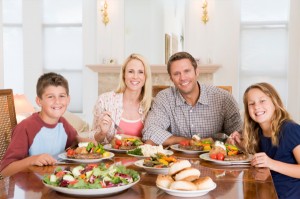
Kitchen - a place to talk

from cleanliness to division, from togetherness to chemical reactions. All classrooms should look like a big friendly kitchen with a warm glowing hearth!

L

is for Libraries. Visit your local library often! Check out books on tape or old movies on video, research a favorite subject, read the newspaper, ask the librarian questions. Read, read, read… and then read some more!

M

is for Music. Music teaches many life skills that go beyond playing an instrument, like patience, persistence, and joy! Learning to play a musical instrument should be fun. Practice should be something that students look forward to and don’t dread. Turn your home into a recital hall. Practice for a performance. Invite friends to share your music with and invite them to share their talents with you! Listen to music when you do math. Listen to a variety of music. Attend concerts and musicals as a family! There are many good bargains available for musical entertainments that are less expensive than the price of movie tickets and popcorn for a family night out!

N

is for New Ideas. Homeschoolers have the freedom to try new ideas. Their schedule is flexible enough that if the opportunity arises to work with a wildlife biologist banding wood ducks, they can do it. Spur of the moment learning is always an option. Try a new recipe, read a new book, play outside when the sun is shining in the middle of winter, experiment with a new business idea. The possibilities for new ideas are endless.

Descriptions from N-Z can be read at Integral parts of home school from A-Z
Want to really jump start your family? This is an article worth reading – Family retreat ideas.

Possibly Related Posts:


{ 0 comments }

Time and attention are rare and valuable gifts

pictures of grandparents

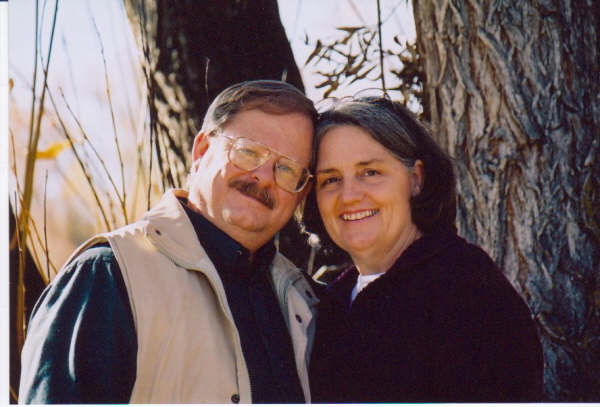
Don and Mary Ann

Don and I have been married almost 40 years. It has been a good marriage and we have raised a fine family. But we have been married a long time!

The other day I mentioned that I thought we needed a little romance. We have had plenty of romance in our marriage, just not lately. I was certainly feeling the need to have some.

A few days ago Don was home and spent a couple of hours in the kitchen making a terrific casserole for lunch. He set the table and we ate together, a thing that doesn’t happen often in the middle of the day. It was nice and we had a fine conversation. We both enjoyed it. As we were finishing he looked at me and said, “This is how I’m romancing you.” Hmmmm. I just smiled and didn’t say a thing.

Last night romance came up again. He said, “Gee, honey, I made you a casserole.”

“Don, a casserole is not romance. It is nice, it is kind and it is serving but it isn’t romance. I think you have been married too long and need to look romance up in the dictionary.”

“Then I don’t get any points for romance, right.”

“Right, no points.”

grandparents photos

Now I am not mad at Don. I love him very much but I am not getting what I need which is some romance. Used as a verb it means ‘to court’. So I am not getting what I need and he is disappointed because he took two hours and did something for me and still gets no points for romance.

Parents find themselves in this same situation, getting no points when they think they are filling a child’s need for their presence.

Children need and want your presence. They ask for it in many ways. They snuggle up beside you and ask, “Whatcha doin mom/dad?” They keep coming to you when they know you are busy and they ask silly questions. They throw a tantrum. Oh yes, they ask for our presence in many ways.

busy mom clip art

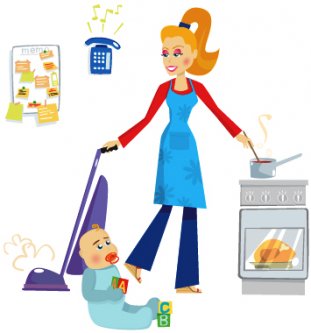
Taking care of "business"

We parents are frequently confused and frustrated because we aren’t getting our well deserved points. Didn’t we just cook and serve a wonderful meal which we all sat down and ate? Didn’t you just take them clear across town to their ballet lessons and don’t you take the time to do that every week. Didn’t you wash the clothes and hang your daughter’s favorite dress in the closet so she could have it for the party tonight.  And didn’t you sit with the whole family while they watched Benji?

Because you have invested so much time you equate that with being present with your children, just like Don thought investing time equated to romance. But you aren’t present,  you are being kind, you are nice, you are taking care of business and you are serving. You are not really being present.

Here is how I learned about presence for the first time. Oh, I had had plenty of opportunities to learn it but it just hadn’t sunk in. This time, however, I got the message.

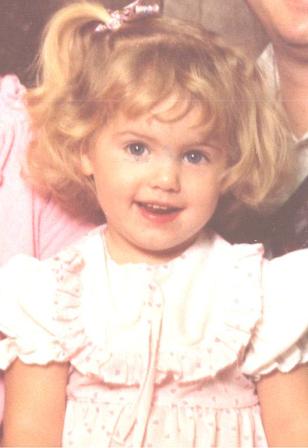
When my daughter Marie was about three she and I had an experience that opened my eyes to the importance of being present, even for small amounts of time. I was in the middle of a sewing project. I do not love sewing! Worse, this project had a deadline which was fast approaching. Marie kept coming in and bothering me. She asked questions, whined about this and that, asked for food and on and on.

beautiful little girl pictures

Marie at three

Finally, I was ready to yell, maybe swat! Fortunately for me a thought came into my mind from somewhere outside of myself. I like to think that Heavenly Father was teaching me this principle. The thought was, “Why don’t you just hug her.” So that is what I did. I gathered her up and I gave her a loooong hug and said “I love you”. She went off happy as a clam and interestingly enough never came back. She just wanted a moment of my presence.

I have a friend and mentee who has nine children all under 11 living with her right now. She was distracted, interrupted and overly busy one day. They just never got to family learning time. As the day wore on the children became awful; they were fighting, noisy, making messes. Finally just before dinner she just stopped and they had their structured family learning time. It wasn’t a long amount of time but she listened to them. She read to them. She engaged with them and had fun with them. She said it made a difference in the rest of the evening. They calmed down. Things were more peaceful. They enjoyed eating together and being with each other.

She asked me if stopping in the middle of her dinner preparation was the right to do. Was she giving in to their naughtiness? She wondered if she did it because she felt that she owed it to them. I responded, “No, you didn’t owe it to them. You gave it to them because you love them and it was the right thing to do. They needed and wanted your presence.”

parent child pictures

Time and attention are rare and valuable gifts

Being present [effective home school teaching strategies] isn’t about taking care of children’s needs. It isn’t about doing our mom and dad thing. It is about giving our children our whole attention even if only for a moment or two. This is what children need and want and ask for in many ways and will keep asking until they get it.

Being present is a rare and valuable gift we can give to our children. Give your children that gift.

Would you like to learn more about being present and working with children ? Read children working together

Possibly Related Posts:


{ 5 comments }