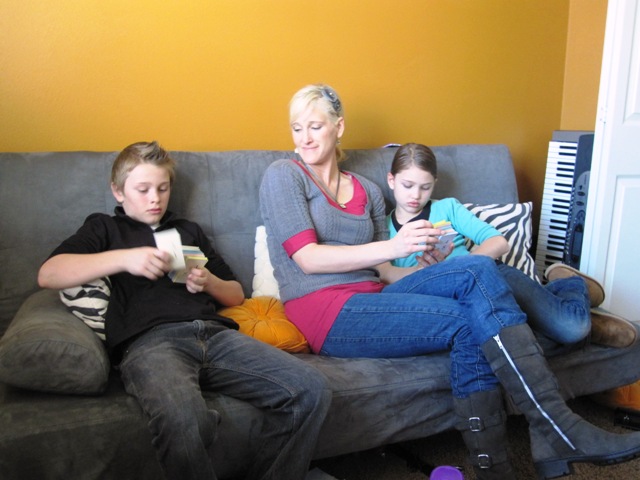
The key to a successful Core phase is constant interaction with parents.
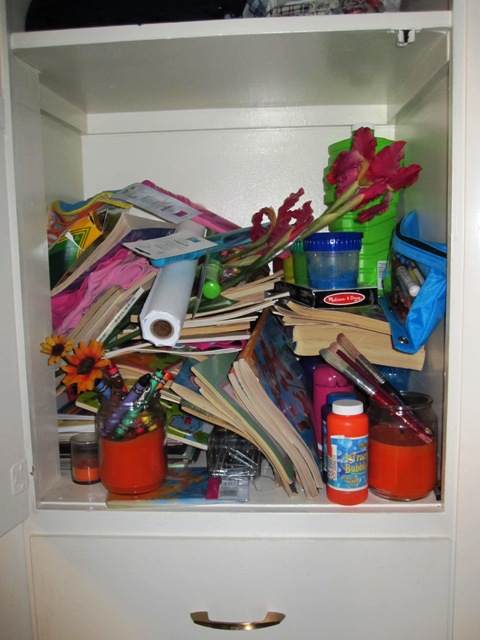
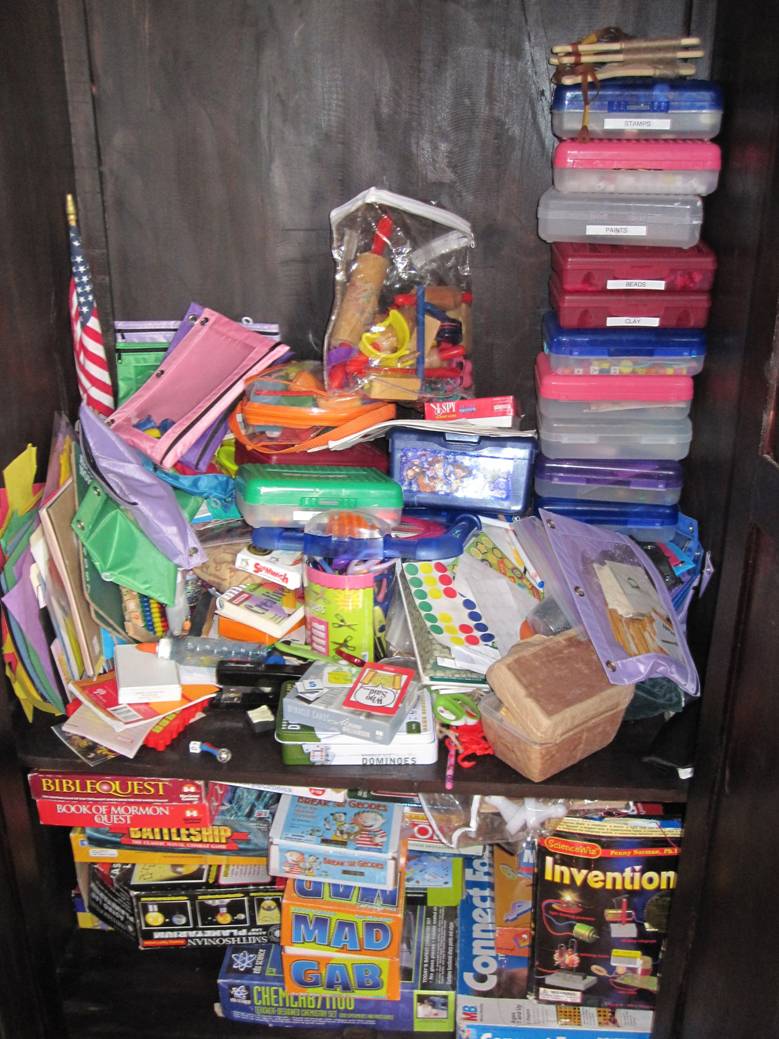
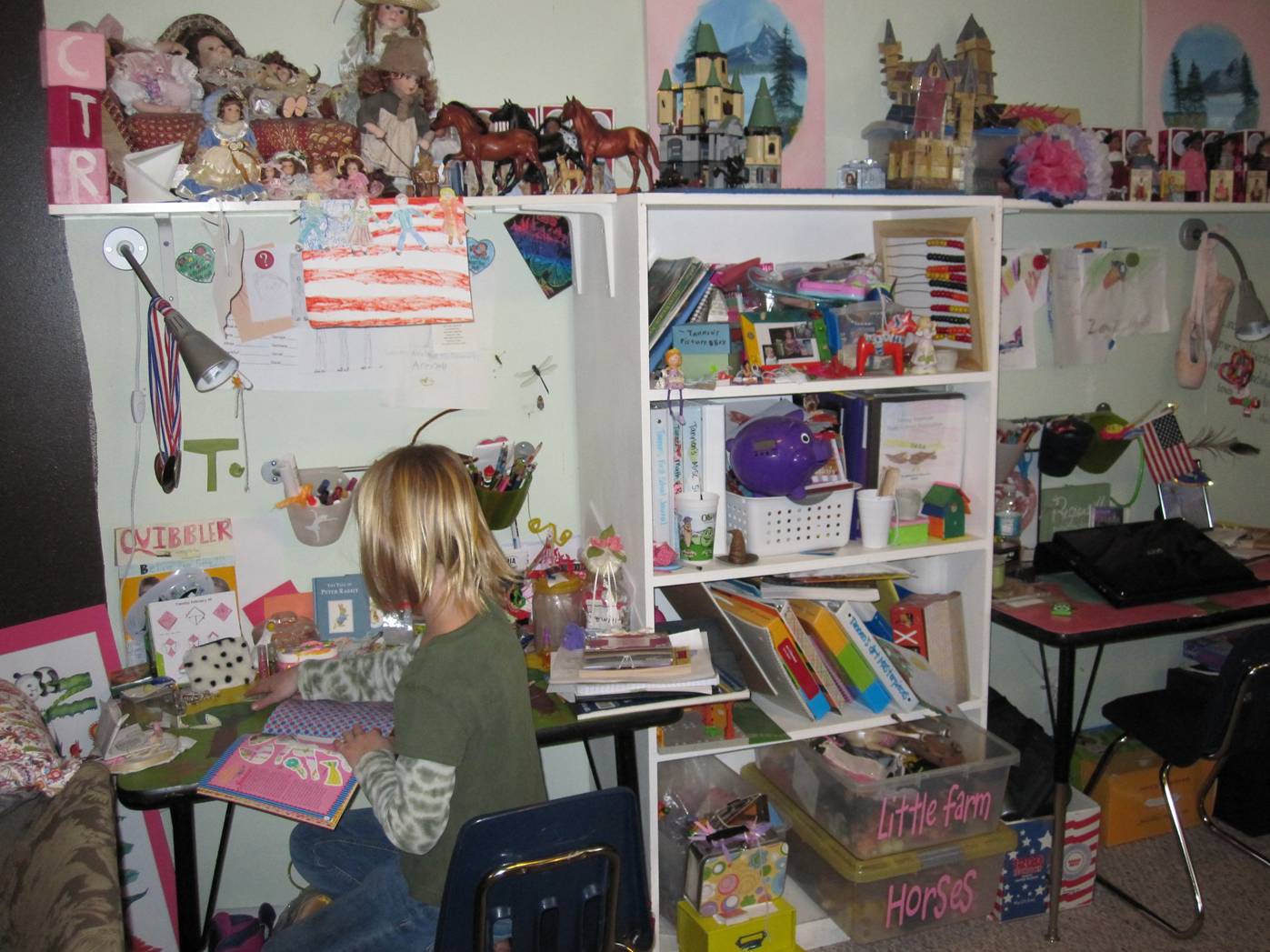
The Spark Station is a fabulous tool to provide an interesting array of topics, educational products, toys and play for your Core and Love ofLearning children to engage with. It is also a dynamic tool that allows parents great latitude with the “inspire not require” concept.
Let’s take a look at the two phases that The Spark Station is designed to inspire: Core and Love of Learning. Core covers ages 0-8 and love of learning 9-12. Of course these are approximations as every child is different. Remember that one of the keys of great teaching is individualization.
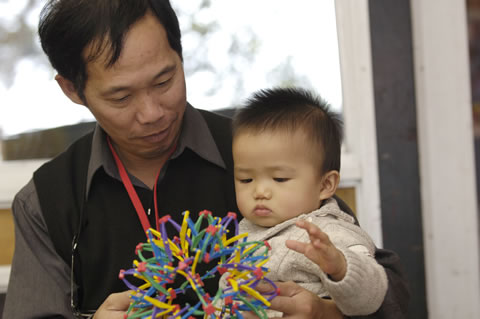
 The Core Phase serves as the foundation for all the rest of a child’s life. It is during this time that parents nurture their children and provide a safe and loving atmosphere. A good Core Phase provides a foundation for a good life. The “curriculum” in core is right and wrong, good and bad, true and false, relationships, family values, family identity, family routines and responsibilities, accountability and the value and love of work and play. During this time a child is exposed to inspiring music, great art, good books and an atmosphere of learning through their own family culture.
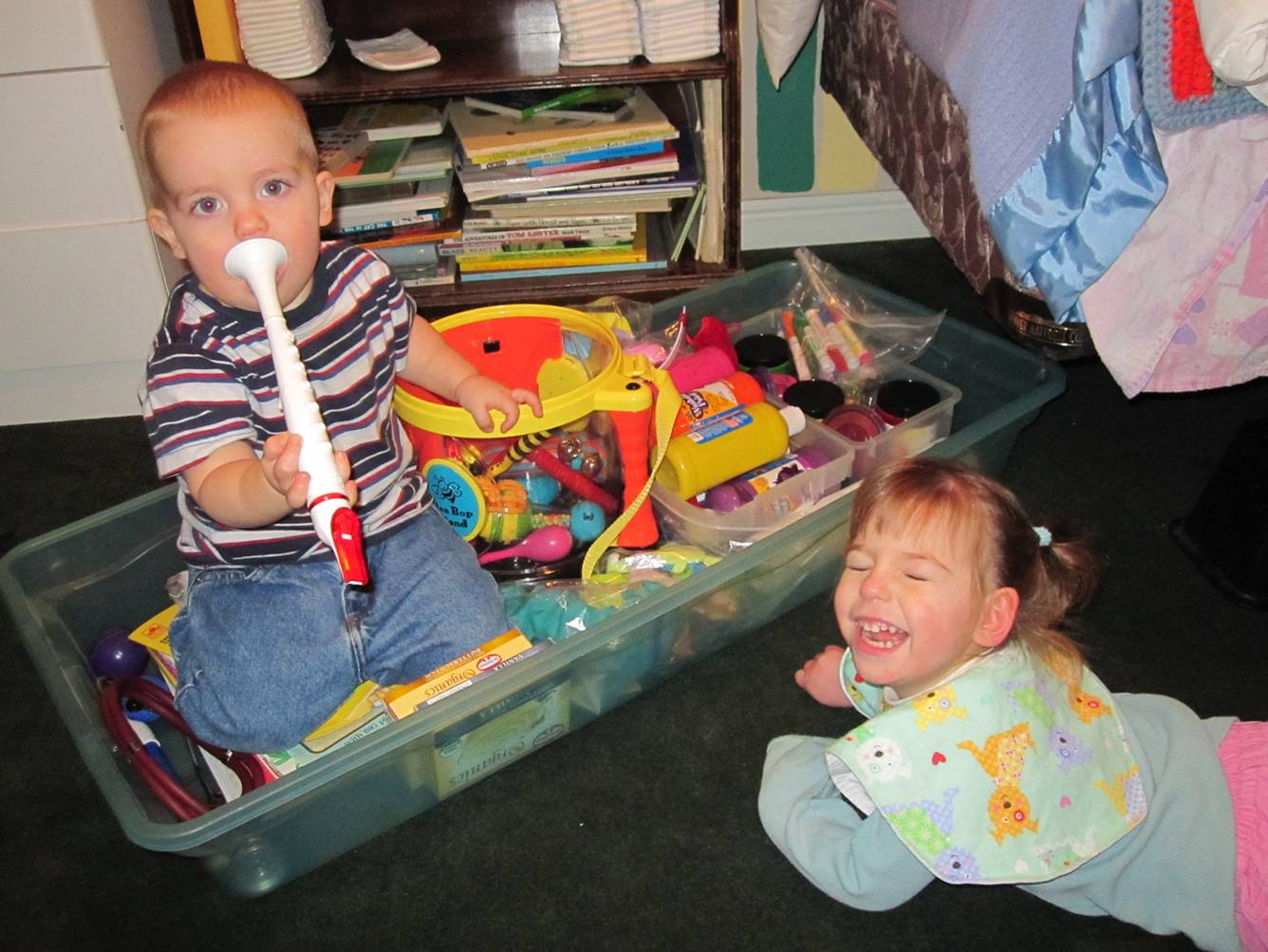
During core parents should inspire curiosity and then move back. This is their whole role. “Incite interest and then leave the child to the wonder of experimentation and self discovery.”Leadership Education, Oliver and Rachel DeMille, p. 26 This is a time to “inspire not require”. During this phase it is vital that parents remember that play is a child’s work (Marie Montessori). That is what they do to learn about the world. This is a time when they learn about relationships by interacting, for the most part, with parents and siblings. It is also a time when they learn responsibility by mimicking adult skills, by tagging along with parents and older siblings to practice what they do. Maria Montessori taught, a child “learns everything without knowing he is learning it, and in doing so passes little from the unconscious to the conscious, treading always in the paths of joy and love.”
During Core children learn to work through daily chores. Valuable lessons are learned as children learn to obey and work. These lessons will be used in many circumstances in their lives. The key to a successful Core phase is constant interaction with parents. Too many lessons, clubs and classes can derail a solid core experience.

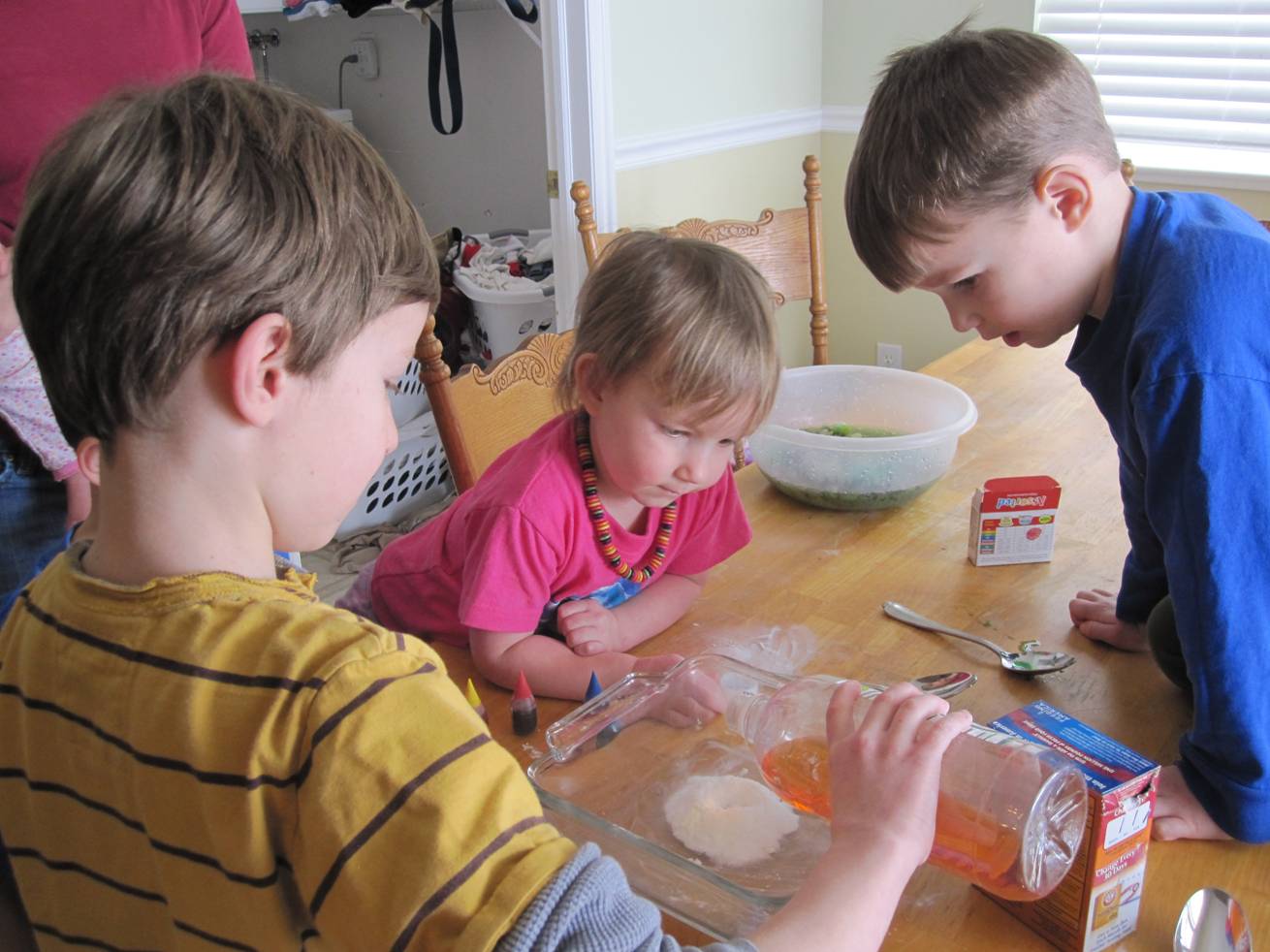
Love of Learning sets the stage for later scholarly pursuits. This is a time when their play sometimes looks like study but is, in reality, still play. They are playing at being scholars. This is a time to encourage your child to study anything that excites them. If 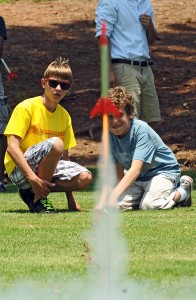 theychoose it they will be excited about it. They move from one “love” to the next. Today they may be enamored with horses and next week it is how crystals are made and the next, how to sew an apron or fix a lawn mower. The most noticeable thing about this phase, educationally, is that they move from one subject to the next, learning a bit about everything that interests them. During this time they may choose to do more reading, writing, discussing, drawing, sculpting, and building, cooking, and cleaning. “The parent’s job during this phase is to keep the home stocked with “educational products, and model to the child that learning is one of the funnest things she can possibly do.” Oliver DeMille
This example was taken from a discussion forum on Oliver and Rachel DeMille’s site. It is an example of an 11 year old that is in the Love of learning phase:
“In a 6 month period he-
• Read alone in his room about 2 hours a day on average-some days no time
was spent reading, other days the time was much longer. Books read:
“Fablehaven” series, “Edge Chronicles” series, “Here There Be Dragons”
series, “Eragon” series
• Caught spiders, crickets, lizards, etc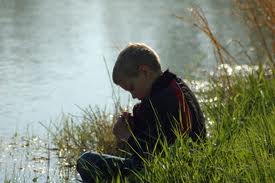
• Raised 30 tadpoles to frogs
• Practiced sword fighting with his 13 year old brother
• Took his turn cooking all meals in a day a couple of times a week
• Practiced pestering his siblings pretty much 24/7.
• Attended 11 year old Scout meetings and camp-outs
• Drew lots of pictures
• Watched movies and looked at random books from the library
• Played strategy computer games for ½ hour on Saturdays only
He is not required to do anything but his chores, to attend family scripture and prayer time, and go to church and Scouts. He says he loves to learn. So far, so good! Children in this phase study whatever they are interested in—and most of the time, it does NOT LOOK like “study!”
The Spark Station is a fabulous tool just perfect for these two pivotal phases.
Possibly Related Posts: