Maggie’s Month: A Family Philanthropy Project

by Mary Ann on September 20, 2010

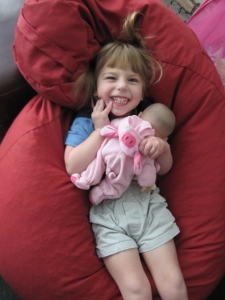
Maggie, just like any four year old

As you grow older you will discover

that you have two hands.

One for helping yourself,

the other for helping others.

Abraham Lincoln

One of the first reasons to gain a real education is to serve mankind in some way. It isn’t to make money or become important and powerful. It is, in fact, to serve.

Today I want to share an opportunity with you to take the things you value as a family and put them into practice. Maybe you want to teach your children about entrepreneurship, philanthropy, teamwork, kindness, service or love. Read on.

The Project

Hi, I’m Maggie.
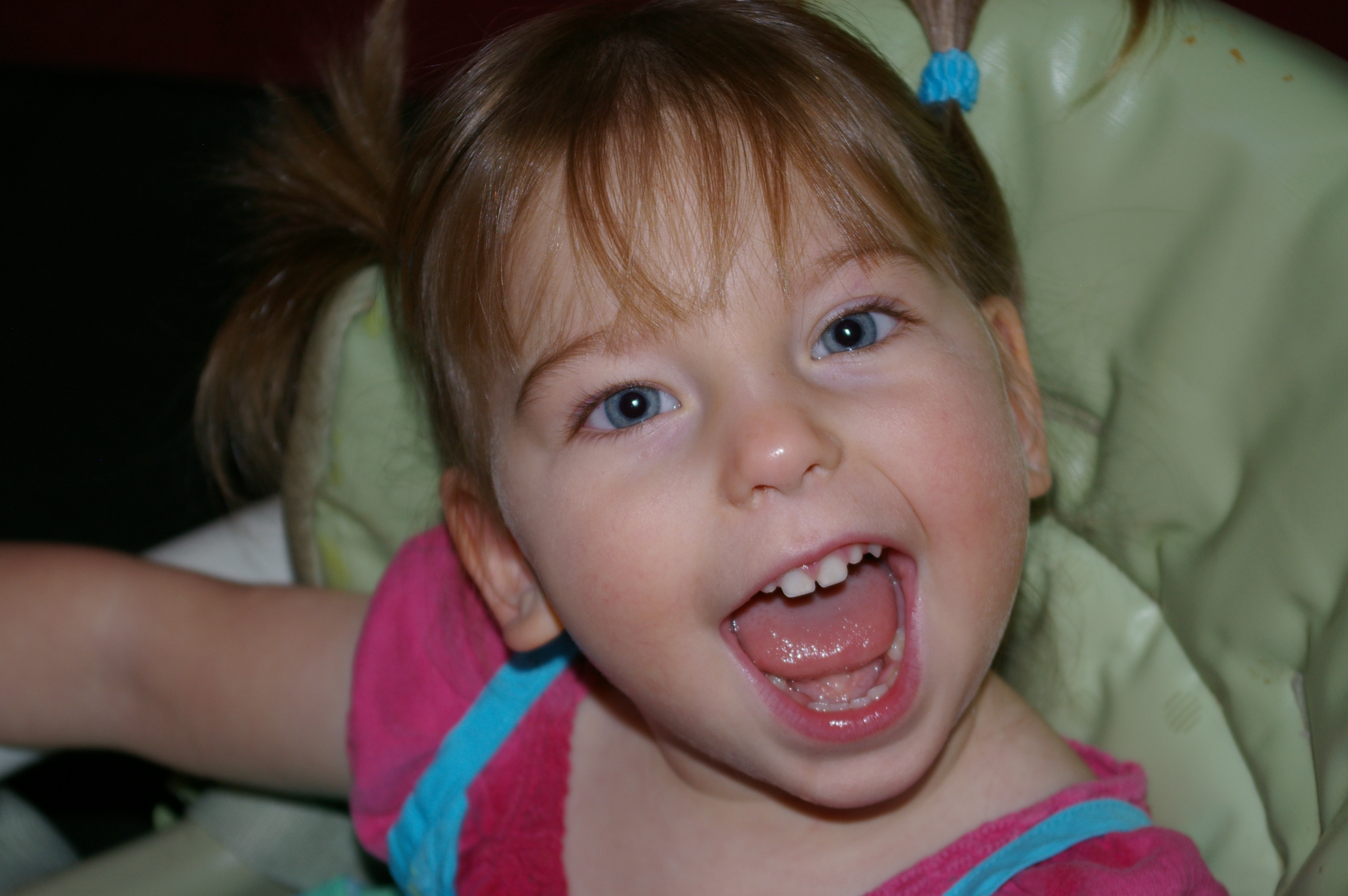
Hi from Me!

I’m 4-years old and I have a disability called Cerebral Palsy from a brain injury at my birth.Learn more about ME here. I need your family’s help to get a special therapy called Hyperbaric Oxygen Therapy (HBOT). Click here to read more about HBOT.

Because of my brain injury I can’t walk, talk, feed myself, or even sit up by myself. But HBOT has the potential of helping me walk, talk, and do things that I can’t do right now.

Essentially, the theory is that when the brain is damaged from lack of oxygen, like mine was, many of the damaged brain cells go into hibernation rather than dying. Soaking the brain in oxygen essentially wakes these cells up so that the person regains motor function that was previously lost.

How it works is I go on a “dive” in an oxygen chamber for about an hour. The first round of treatment is 40 dives, 1 dive a day, 5-6 days a week. Usually two treatments are needed; that’s 80 dives.

Of course, I know there are no outcome guarantees, but the possibilities of improving my quality of life are worth the effort. Heck, I could even go to college some day and have a family of my own! I want to be ready for that.

My mom and dad have found a facility that will treat me here in Salt Lake City, which is where I live. It’s very expensive and isn’t covered by insurance.

So, my mom and dad had an idea that is really fun! We’ve created a special fund-raising project called, Maggie’s Month: A Family Philanthropy Project.

The idea is for your family to work together through the month of October to raise the money to sponsor 1 of my dives ($150).  The funnest part is coming up with ways to work together so that everyone in your family can get involved. Click here for some really fun FUNDRAISING IDEAS. (Be sure to check out the read-a-thon idea, it’s especially cool!) Our goal is to get 80 dives sponsored.

Family Philanthropy is a really terrific way for your family to work together to make a difference in the world. Click here to learn more about FAMILY PHILANTHROPY.
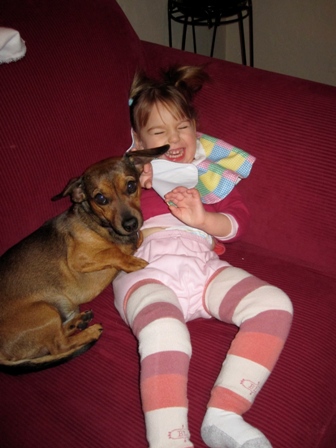
Me and Ody Lew

My dog Ody Lew is really grateful for your participation, because he really wants me to be able to scratch his belly.

Thank you for helping me!

Love,

Maggie (and Ody Lew)

On Maggie’s website you will find many ideas and ways to work together as a team, to serve someone else. Learn a bit about philanthropy and about being an entrepreneur. I know your going to really enjoy this website and this amazing project. So take a look at Maggie’s Month!

Possibly Related Posts:


{ 0 comments }

An effective way to guide kids in home school

by Mary Ann on September 18, 2010

Mom Schools and The Spark Station

“We started this week using a cupboard with things we already had.  I think I tripped up the first couple of days thinking I was supposed to teach a lesson with the things they chose from the cupboard.  (We started painting a solar system kit and I was frustrated that I had to look up facts to teach them as we went) But I realize that it would have been better to let them ask me questions about the planets as we created the solar system.  No wonder one of them got mad and wouldn’t participate!  She just wanted to create, she didn’t want a lecture.  I’m starting to get the hang of it… I like doing things with my kids.  But don’t know how much to back off and not give directions.”

It is perfectly acceptable for you to teach a concept to your children – just not with the contents of The Spark Station. Some moms will have a “mom’s school” during their family learning time. That basically means that for 30 minutes to an hour they teach their children something that they are interested in having their kids know about or that they themselves are interested in. Of course a lecture type class will not elicit the best response. If you have an activity, something to demonstrate, pictures, etc. it all works out much better.

leadershipeducationfamilybuilder.com has a fabulous program on mom schools, how they work and how to help kids love them! It is great and can be downloaded for $9.95. Having taken the class I highly recommend it.

You can have your “mom school” independently of anything else you are doing during your learning time or you can connect it to The Spark Station  if you want to. Let me give you an example of how that can be done.

Say that you want to teach your children about volcanoes. You start your structured time the same as you always do. Then you can have a “mom school”.  You could show your children pictures of Mt. St Helen’s and the Eyjafjallajökull volcano in Iceland which erupted in April 2010. You could show a video on line of the actual eruption.  Then you could show a couple of pictures of what the inside of a volcano looks like. You might find a book with lots of large glossy pictures of many different volcanoes.

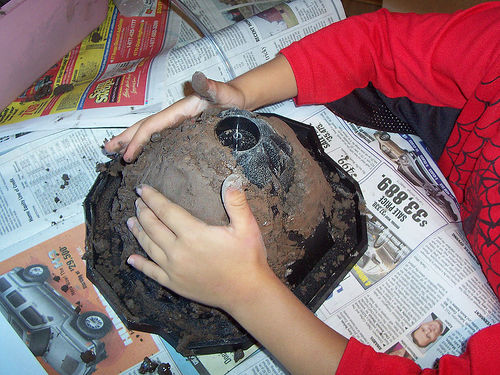
In your Spark Station you have put all the materials to make a paper mache volcano. You don’t mention that to your kids. When mom school is over you have free learning time and The Spark Station is available. When your children open The Spark Station they will see the new stuff and ask “mom, what’s this?” You just say “Oh, I thought you might like to make a volcano”. If they are old enough to read you have instructions for them. Then you just let them do there thing until they ask for some help. It will take a day to make the volcano and have it dry; then a day to paint it. The third day you can have soda and vinegar in The Spark Station to make the volcano erupt. During this process you could engage in a “familiar conversation” about why volcanos erupt.

As for when to back off, it is most of the time. If they have directions and can read let them do it. Wait until they ask for help and then only give the exact help they ask for. Sometimes parents are asked for help and then never give the project back to the child.

If the children are younger and express interest in engaging with whatever you have put in The Spark Station just help them along as they need you letting them do as much for themselves as they can regardless of the fact that it might look or work better if you helped more. Remember the process matters more to children than the end result.

This is the time to relax and watch your children and listen. While they talk with one another about what they are doing you will hear sparks and have opportunities to start “Familiar conversations”. Let it be fun for them and for you. Remember one of the tenants of great teaching is secure not stressed!

Possibly Related Posts:


{ 0 comments }

Real Life Planning Part 4 – Turning Your Plan Into Inspiration For Your Children


In the last two posts, we discussed  collecting information from online resources and using  the library to create lesson plans and inspirational ideas for The Spark Station. Now,let’s look at the last issue, “When do I find time to get all this stuff together?”  The answer is “one day at a time”.

Using the cut and paste document you made when you did your research and the books which you have gotten from the library you are going to “inspire” your children one day at a time, possibly just one week at a time.

Day or week 1 – Put a book on the Lewis and Clark Expedition in The Spark Station with the coloring page you have downloaded. Let your children look at the pictures if it is a “coffee table type book”. If it is a story written for children you can read it to them if they are small or they can read it to themselves depending on age and interest. However, survey books like this usually do really well as a group read.

Day  or week 2 – Have copies of the map that you downloaded that shows the route they traveled. Supply the materials to make a replica of the map from clay. (I would jettison the plywood and use a piece of cardboard)

Day or week 3 – Add the book on Native Americans. You could also put in the book about Sacagawea. Have the materials and directions for making a rattle or totem pole, etc.

Day or week 4 – Include  information about the Hidatsa people and their language. Have materials for your children to write a letter in a language they create. They can choose a symbol for each letter of the alphabet. Send it to a friend or relative. You could also have materials to create a clay lodge.

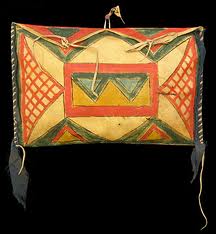
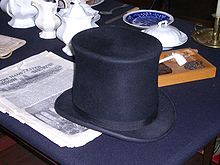
Day or week 5 – Have a book on trappers and the directions for making a parfletche. (I would jettison the canvas and use brown paper bags) The parfleche was a staple of Native Americans in the seventeenth century. A beautifully decorated rawhide storage bag, it was used to store dried meats, clothes, sewing supplies, and other important items. It was adopted by trappers. This would also be a good day to add a book on beavers as that was the main staple for trappers. You might want to show them a beaver hat which was worn in Europe. This is where the majority of skins were shipped.

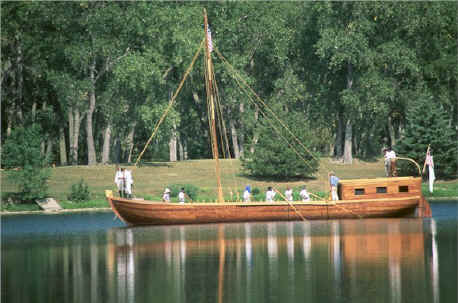
Day or week 6 – Begin with a book on canoes and other means of travel for trappers, the Clark expedition and Native Americans. Have information on the keel boats they used even if it is only the pictures you have printed off your computer. Have the materials in The Spark Station to make a keel boat or canoe. If it is the right season it would be fun to find a neighbor who has a canoe or rent a canoe and go for a ride on a quiet pond in your area. Carry the supplies with you for a picnic lunch. Talk about things you “discover” on your family adventure.

Day or week 7 – Add books about animals, birds and plants that Meriwether and Clark identified and wrote about. You could download coloring pictures of these animals and plants. Do any of these plants grow in your area?

Day or week 8 – Have some traditional recipes and the non-perishable ingredients in The Spark Station. Prepare items to be eaten as a school treat or for the family dinner. Any of the items you have made could be used as a centerpiece. Small canoe’s or parfletches would make nice place cards.

Day or week 9 – Learn about President Thomas Jefferson. There are downloadable color pages available. Read a survey book or look at a book of pictures.

Day or week 10 – Have a list of items to “discover” on your own expedition. They could include a white rock, purple flower, feather and any other item that might be found in a walk through the neighborhood, park or in your own backyard.

All the time that you are watching and assisting your children to do these activities you just visit with them about the people who made up the trek, the trials they had, what they saw, what they did, and what they discovered. Carry these conversations to the dinner table to share with dad, while riding in the car or as you tuck them into bed.

Just throw out a fact or ask a question and start a “familiar conversation”. “Did you know that Sacagawea means Bird Woman?” They might ask you more about her and there you have your conversation going. You can keep the conversation going by asking questions such as, “Do you think it would be hard to have a baby on a trek like that?” “Do you think she was really helpful to the expedition?” Do this all the time you are inspiring your children with a topic.

This is the perfect scenario. Not every day or week will go like this. Sometimes there are intervening circumstances. You still have a Sprk Station filled with interesting things; as often as you can add something new. What if you only added something new twice a month or even just once a month? It is better to do a little than nothing at all because we are paralyzed, feeling that we can’t do enough.

Can you see how just a little bit would really energize your family learning time and bring joy and excitement to your children? Can you see how they would begin to love learning?

It’s not an issue of buying fancy stuff for The Spark Station. It is an issue of thinking, receiving inspiration and then following through.

Possibly Related Posts:


{ 0 comments }

How To Use The Library Effectively In Home Schooling

by Mary Ann on September 15, 2010

Real Life Planning Part 3 – Using the Library (Part 2 ,available here).


“I can’t see myself running to the library every other day!”

There are a number of ways to make the library work for you and to use the library more effectively and efficiently.

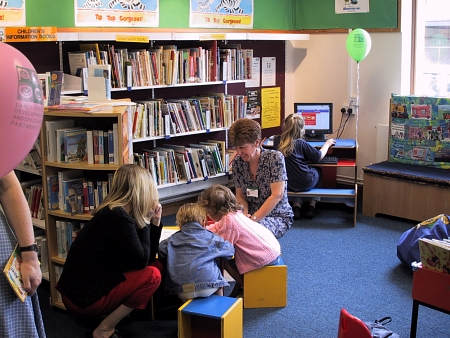
Some families have their structured family learning time at the library once a week.  During this time the children chose books they are interested in reading and mom and/or dad choose books that they would like to use to inspire their children. If you have small children under age 6 choose a day when the library has story time. That way it frees parents up to gather their own materials.

The notebook that I have suggested that you start, to write down Sparks and your own thoughts and ideas, will be very handy. When you think of some topic that you would like to introduce to your children write it on a page you have set aside for your library visit. Then when you go to the library you can find books on those topics.

I have a friend who checks out at least 30 books when she goes to the library. This is a very efficient way to use the library. Some of these books go into The Spark Station and others are placed on a table or in a basket to be looked over any time. One or two will go into your room so that you can think about them and design a plan by doing some research like I showed you in the previous post.

When you are contemplating how to turn a topic into inspiration for your children it helps to keep the book by your bed. Look through it just before going to sleep. Then think about it for a few minutes after turning out the light. This is also a good time to engage in a conversation with your spouse about the topic and get their ideas.

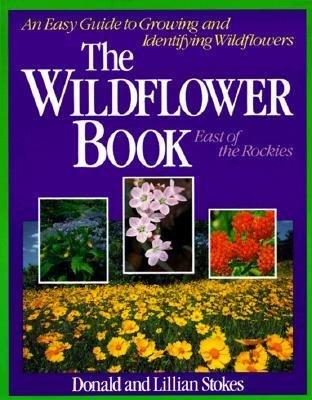
When a book goes into The Spark Station try to think of what you can put with the book to add interest. For example, if you have a book on Americanwildflowers add small books with blank pages and small colored pencils. These can be used as nature journals. Plan a couple of trips outdoors to observe and record what you see in nature. Draw flowers, bugs and leaves. Label the pictures. If it is a book on mask making make sure you have the materials for at least one type of mask.

If the book is part of what you have already researched, as in our Lewis and Clark expedition project, put them in your room where they are not observable to your children but you can access them easily. These books will be added and removed from The Spark Station periodically over the next 1-6 weeks. You may need to renew some of them.

Let’s look at the 30 minutes of research we did in the previous post, Home school resources online-how to, and make a list of possible books.

Sacagawea

Shoshone Indians

Any Native American Tribe they visited – Blackfeet, Sioux, etc.

Trappers in America

Any animal on our list – bison, antelope, prairie dogs, bighorn sheep, magpies, etc.

Any state they visited. There are great state books for children. Illinois, Missouri, Kansas, Nebraska, Iowa, South Dakota, North Dakota, Montana, Idaho, Washington, and Oregon

A book on map making/cartography

President Thomas Jefferson

Canoes and keel boats

Native Americans

Teton Mountains

Rocky Mountains

Dams in the USA

A children’s book on the Louisiana Purchase

The next blog, Creative lesson plan example , will take this list of books and show you how to use it, along with the other materials we found in our 30 minute session on line, to inspire your children, using The Spark Station  and other family activities.

Possibly Related Posts:


{ 0 comments }