Best grandparenting tips to inspire children to learn

by Mary Ann on September 24, 2010

An Example of Recognizing and Responding to a Spark Part 4 – Closet Letters
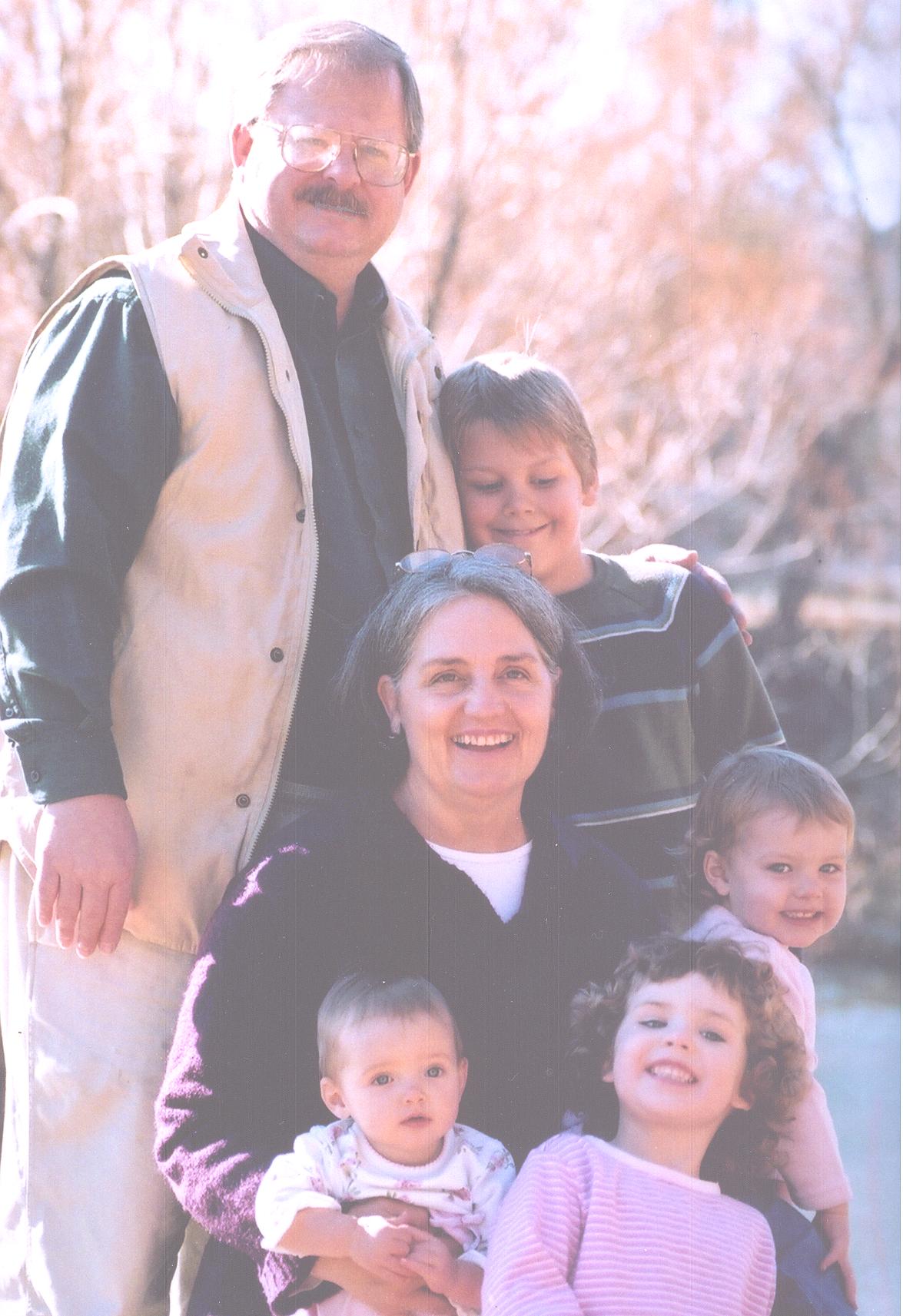
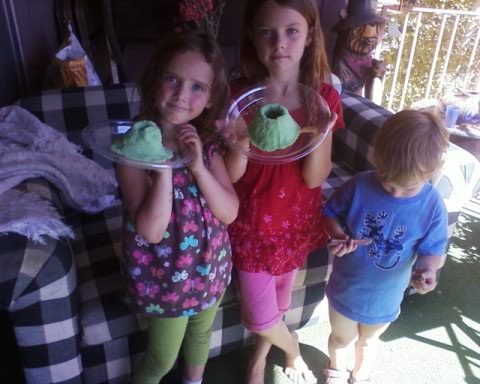
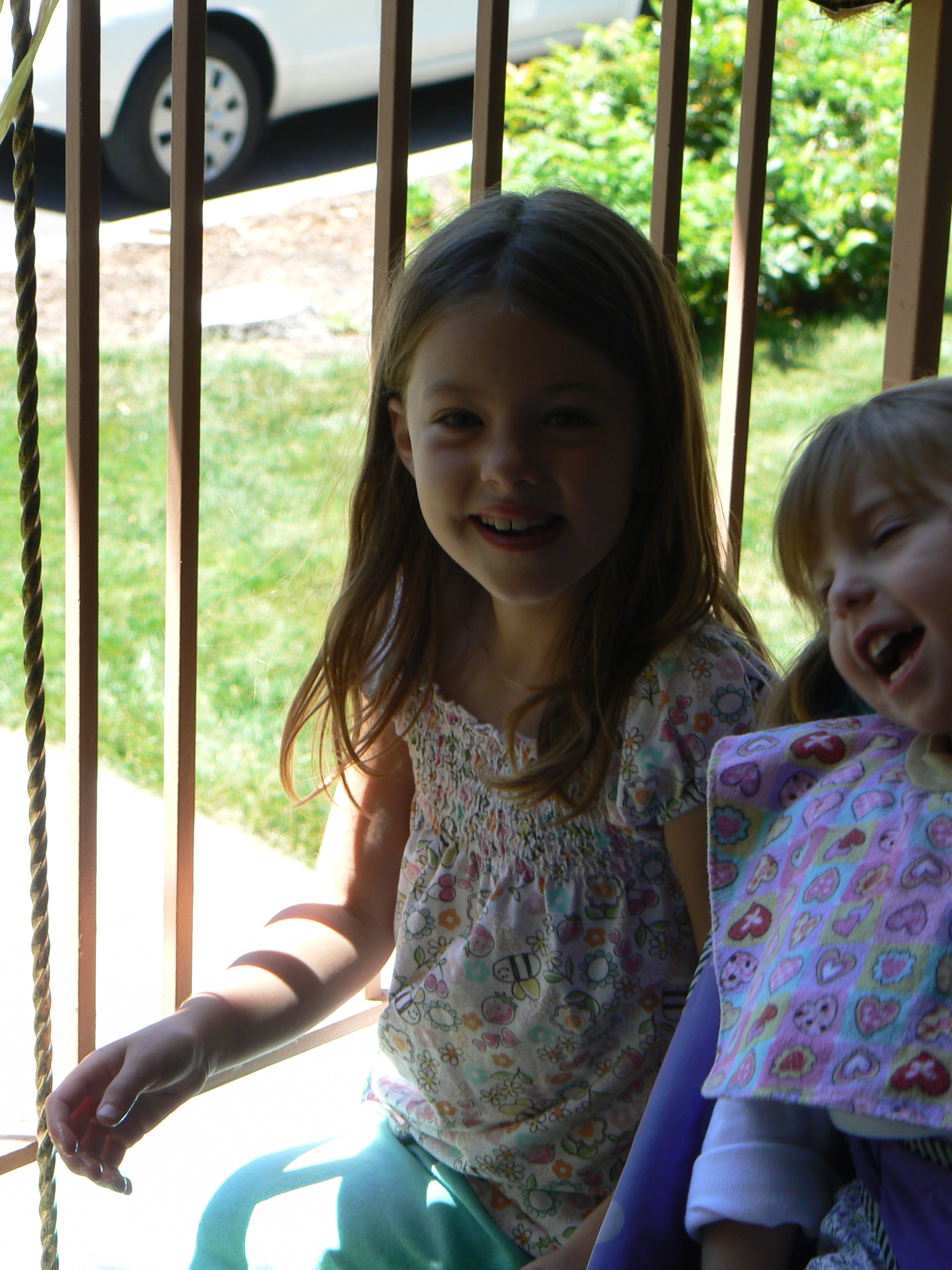
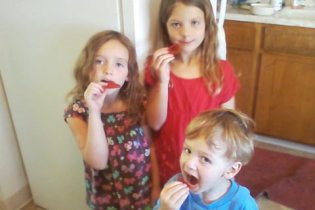
A few of the grandkids

Grandparents have a wonderful opportunity to teach their grandchildren. Grandparents can share their values, what they love and anything that interests them. Grandchildren are so open. For whatever reason grandkids love to be with grandparents and whatever we say and do is of interest to them. My grandchildren listen to me. WOW!

That puts us in a wonderful position to teach them all kinds of things. We can have conversations, read books, work on the computer together and go exploring. If grandchildren aren’t close you can write Closet letters.
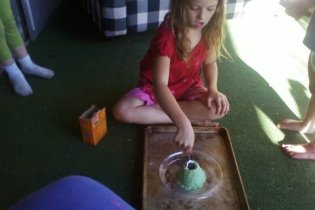
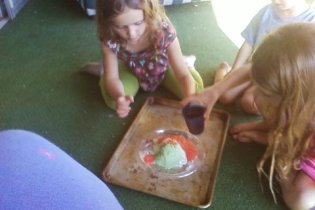
Ashley and her volcano

In the last three blogs I have taken you on an adventure, following a Spark with two of my grandchildren. part 1, part 2, part 3. I just received this email from their mom, “So the girls really remembered the stuff you taught them about volcanoes and even remembered all the names to stuff.” They really did learn and LOVED it. I want to extend that love of learning and fun for them and me. So here is my plan for the next few months.

When they left I realized that there were many crystals in our hall way fountain. Their little rock collection doesn’t contain much. We just didn’t have time. I am sending an egg carton with the crystals inside. I am going to purchase an inexpensive book on rocks and minerals so they can find and label their collection.

I found a poster showing the inside of a volcano which they can hang on their wall.

One of the things that really caught their attention while we were studying how rocks are made was the pictures of mummies at Pompeii. I’m going to share what happened there.

In another letter I will talk about the eruption in Iceland. I’ll be sure to include a link to the web so they can see the actual volcano going off. They will love that! I will include information about Mt. St. Helen’s.

I am sending them each a small container of body powder made from talc and reminding them what we learned about the hardness scale. I can give them a few experiments to conduct by telling them what to scratch with what. For example, a penny, which is a three on the scale, can scratch chalk which is a 1.

I want to purchase a small vile of gold flakes that they can add to their collection. Then I can talk about prospectors, the gold rush and any part of history that applies.

For Christmas I am going to send them the money for tickets to the Denver Museum of Nature & Science. They have an extensive gem and mineral display, a pair of Egyptian mummies and a terrific fossil collection.

The Colorado national monument is only 4 miles from their home so I want to send a letter all about it and the startling white and red sandstone formations they will see there.

Closet letters are a great way to engage with your grandchildren and assist your adult children in helping their children to love learning. Here are simple instructions for writing a letter kids will love.

* Do some online research on the topic . Don’t spend tons of time, just get some ideas.

* Write in a way that is age appropriate. Make the information clear, simple and understandable.

* Add LOTS of pictures to illustrate what you are talking about.

* If hand writing the letter, print or write very legibly so a child can read it themselves.     If using the computer use a large font (12-  14) and print it off. This facilitates   adding pictures easily.

* Depending on your interest, energy and time you can send a letter weekly, bi-weekly, monthly or a few times a year.

* It works well to write letters that correspond to world events, holidays and special occasions.

These letters work for children of all ages. Most of my grandchildren are under the age of 12. I have written letters about Martin Luther King, the Cherokee Indians, our scriptural cannon, The census, Fredrick Douglas and slavery, proverbs people use in daily speech, George Wythe University, Nelson Mandela, Easter and the word onomatopoeia, to name a few.

The Booth Family

When I first began sending the letters I wondered what the children thought about them. Let me share what happened. My 20 year old daughter went to visit my married daughter for Spring break. When she arrived Lizzy, the five year old said, “I know what onomatopoeia means”. Then she gave a couple of examples. The seven year old proudly said “but I know how to spell it.” This conversation took place almost two months after I sent the original letter.

These letters can really impact your grandchildren. Send one to each child or one to a family. They will LOVE learning with you.

Possibly Related Posts:


{ 0 comments }

How to make learning fun and meaningful to kids

by Mary Ann on September 24, 2010

An Example of Recognizing and Responding to a Spark Part 3

A couple of days ago I talked about a Spark that I caught from one of my grandchildren. She asked about crystals and so we began a journey of exploration to find out more about them. We grew crystals (part 1) at home and then we headed off to the library (part 2). In part two of this series I shared all the wonderful things we learned at the library. So lets see how the kids had a fun and meaningful learning about crystals.

On the walk home from the library the girls, Ashley, age eight and Lizzy, age six, were busy searching the ground for specimens to add to the rock collection that they planned on making.

When we got home our sugar crystals had already begun to form. It was so exciting. We scooped a few out and sampled them. Yummmmm.

While I was making dinner which was peanut butter and honey we noticed that the honey had formed some sugar crystals. The girls compared them to the crystals forming in their “sugar jars”. We talked about the fact that you can melt sugar and honey crystals by heating them but that it would take much hotter heat to melt quarts crystals.

Ashley said Grandma, “Were kinda finding everything crystal today. We didn’t the other day. (Long pause)  I guess that’s because we learned about crystals today.”

About four hours later I found Lizzy and Ashley sitting at the bottom of the stairs looking at the pictures of crystals. They had originally gone out to ride their scooters taking the books along with them. The pictures were just to compelling and they never made it to the driveway. They were comparing the crystals in each others book, chatting away about the shapes, sizes and colors.

A bit later I went to check on them. They had finally made it to the driveway and were buzzing around the parking lot on their scooters. Ashley hollered to me and said, “Grandma we are finding crystals.” Lizzy asked me, “What are those people called who dig and look for rocks? “Miners”, I replied. Then Lizzy said, “We could become miners grandma and find crystals.” Ashley said, “I told her we could be scientists and study crystals.” Then she thought a moment and said, “Yeah, we could be partners finding and studying crystals.” I realized that there imaginative play that evening had centered on what we had been learning that day. When that happens you know learning has been fun and impactful.

Just before bed we read another child’s book about rocks which reminded us of all the new words and facts that we learned about at the library. They are excited for tomorrow. We are going to use the hardness scale and scratch chalk with a penny. Chalk is a 1 on the hardness scale and a penny is a three. We are going to collect 10 rocks for our collection and determine if they are igneous, sedimentary or metamorphic.

I have some play dough left over from their last visit here. They are going to make volcanoes and then “erupt” them for the family. We are going to end their trip by drying out our sugar crystal suckers and making our own sedimentary brick. (See recipe below) Now, can you get how I made  learning fun filled and meaningful for them?

The activities that we did in a weekend can be spread out over a number of weeks. For example you can just put the books into the closet the first week, make crystals the next, make a rock collection the next and end by making a sedimentary brick, and so forth.

This is the result you want when you see a Spark and use the art of responding. You want to see enthusiasm for the topic and excitement in the learning process. You want the learning to carry over into play and life. We had a wonderful adventure. It was fun. They don’t know everything about volcanoes and how rocks and crystals are made but what they do know they will remember. They LOVED learning!

My next blog will show grandparents how they can take an event like this and keep helping their grandchildren love learning for quite a few weeks after they have gone home.

Sedimentary Brick

Mix 1/2 C water and 1/2 C white glue in a large cup. Fill a small milk carton with sand. Slowly add the glue mixture to the carton. Stop pouring when the mixture stops sinking into the sand. Wait several days until the top of the sand has hardened and the box feels solid when squeezed. Peel away the box and admire your sandstone brick. Its soft like natural sandstone. You can scrape grains of sand off the brick with your fingernail. (Rocks, Hard, Soft, Smooth and Rough by Natalie Rosinsky)

Possibly Related Posts:


{ 0 comments }

An Example of Recognizing and Responding to a Spark – Part 2

Homemade sugar crystals

Yesterday I talked about a Spark that I caught from one of my granddaughters, Ashley,and how she urged me to teach Chemistry and Physics (indirectly, through learning about crystals). It was at their level of course, but they were really keen to know more. She asked about crystals and so we began a journey of exploration to find out more about them. One of the things that we did, was head off to the library.

All the way to the library Ashley and Aubrey looked at large rocks that people had in their yards and driveways as decorations.Many

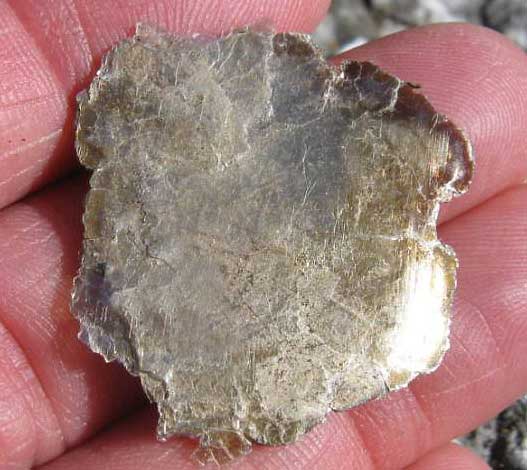
Mica

had small shiny bits in them. They asked if they were crystals or “that rock that flakes apart”. I shared with them the term mica, which is what they were talking about. They would make a decision on each one as to whether they thought it was mica or crystal bits in the rock.

At the Library we picked out about five books on rocks and crystals. They weren’t all for children. I began by reading them a children’s book on how rocks are made. It talked about volcanoes and igneous rocks. It talked about sand and the shells of tiny sea animals and how sedimentary rocks are made. It showed in very simple terms how metamorphic rocks are made. This information really caught their attention. They asked questions about everything and practically had their noses on the page to get a really good look at all the pictures.

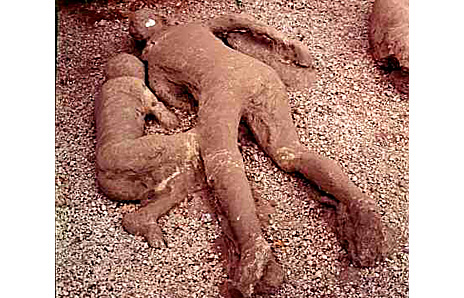
Mummies of Pompeii

They were fascinated with the fact that there was hot, melted rock inside the earth called magma and that sometimes it erupts from the earth. Lizzy wanted to know what erupt meant. They were very interested in information about what happens when lava cools. They were intrigued by the fact that when it cools it becomes igneous rock and sometimes if there were people nearby it left mummies. They squealed at the pictures of the mummies.

The adult books had hundreds of pictures of crystals with very long names. Ashley worked on sounding out dozens of them. We found a wonderful picture that showed crystals that were transparent, translucent and opaque. Wow, a follow up to the “familiar conversation” we had had earlier that day. We spent a few minutes picking out things in the library that fit each description. Windows were transparent, colored glass was translucent and the door frames were opaque (sorta).

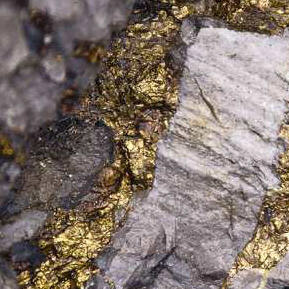
There were pictures of gold flecks in rock and different types of gold mining described.

Gold in rock

We saw a picture of a rock collection in an egg carton. Right away they began discussing where we could go to get good rocks to make our own rock collection. The girls thought that it would be really fun to find the rocks and then figure out if they were igneous or sedimentary.

There was a chart in both the adult books and the kids’ book showing the softest rock, talc and the hardest rock, diamond. They couldn’t believe there was ground up rock in body power and that wedding rings were really rocks.

We read a book on the history of salt, which is a crystal. There was a chart showing that there are 92 elements that make up the earth and that salt is made up of two of them, sodium and chloride. Ashley and Lizzy thought it was pretty funny that we eat a rock, of sorts, on our food. (I googled periodic table later, only to learn there are now 118 elements in the Periodic Table)

We were probably at the library pouring over the books for about an hour and a half. When it was time to go I was just heading out but Lizzy said, “Grandma shouldn’t we take some of these books home so we can look at them some more. They each choose the adult book with all the pictures. I chose another child’s book on how rocks are made.

It was Saturday afternoon, a beautiful day. They were on vacation at grandmas. The neighbor girl they love to play with was home. Yet here was a six year old and an eight year old diligently learning about rocks and crystals. They were absorbed in the information. It was fun. They LOVED it. That is because they weren’t required to learn it. They didn’t have to worry about memorizing it. There wasn’t going to be a test.

Later that evening Ashley said, “Grandma, we’re kinda finding everything crystal today. We didn’t the other day. (Long pause) I guess that’s because we learned about crystals today.”

Tomorrow we will head on home from the Library and learn more about crystals.

Possibly Related Posts:


{ 0 comments }

Teaching Chemistry by Identifying Sparks from Kids

by Mary Ann on September 22, 2010

An Example of Recognizing and Responding to Sparks

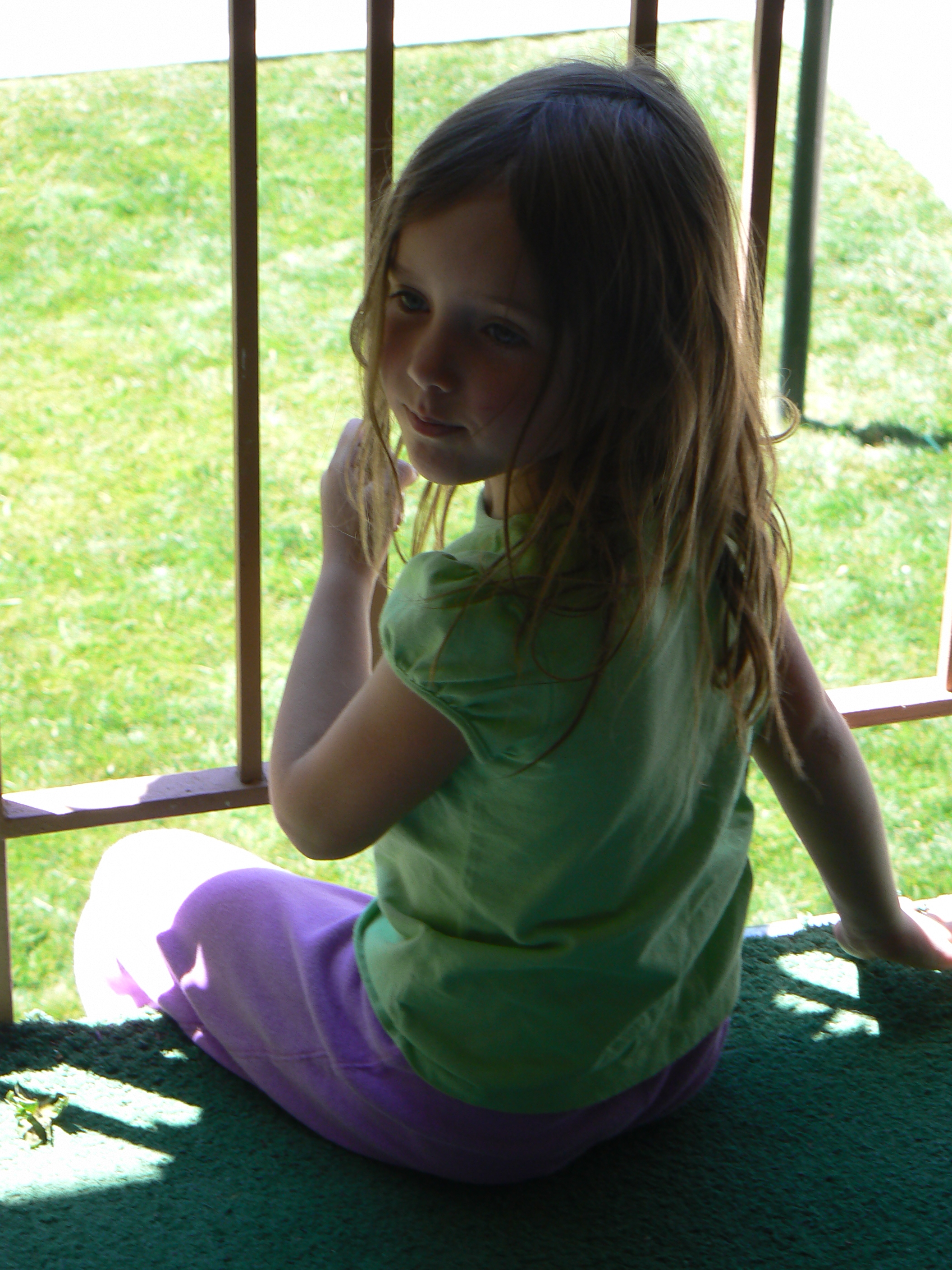
Ashley , age 8 Maggie, age four

Elizabeth, age six

Recognizing a Spark and then responding are skills that any parent can learn. These skills are vital to using The Spark Station to help your children love learning. These skills facilitate a parent’s ability to inspire their children and help them feel excitement about learning new things.

My grandchildren came from Colorado for a few days. I had two girls, Ashley, aged eight and Elizabeth aged six. Here is the story of a wonderful Spark, the “familiar conversations” we had, how I followed the Spark and how I used The Spark Station and Spark Station letters to extend and magnify the Spark. Over the next few days you will go with me and my granddaughters and experience what it’s like to recognize a Spark and inspire a child.

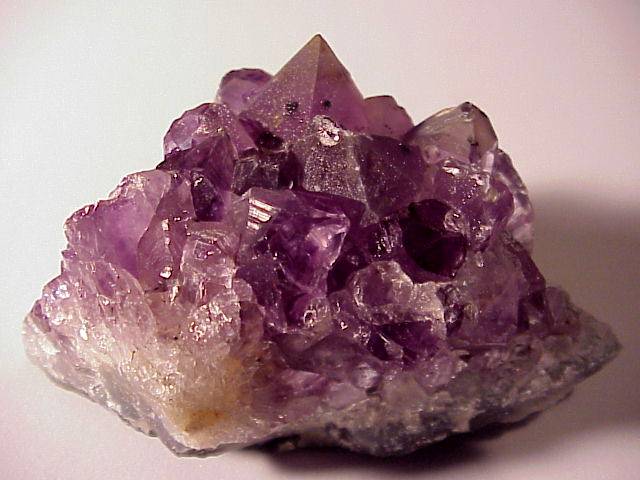
My project for them while they were here was to help me put all the family mementoes and knick knacks into two hutches. It was really fun. I was able to tell them the stories behind each item. They ooed and awed over all the pretty things I have. Some of the last items they put into the hutches were crystals. There were a couple of desert roses, some exquisite quarts crystals, and part of an amethyst filled geode that my daughter had gotten for me in Southern Utah.

amethyst geode picture

Amethyst geode

Desert Rose picture

Desert Rose

quartz crystal isis cluster picture

Quartz crystal

Ashley asked me what they were and I told her that they were crystals from the desert. She then asked how they were made. I replied that I didn’t know exactly how they were made but that they grew in rocks and in the ground. I told her that we could find out more about crystals if we went to the library and we could also grow some crystals ourselves.

The three of us went to the computer right then and googled “how crystals grow”.

One of the first sites was an instructional video on how to grow sugar crystals. The girls watched it three times. Then they gave me blow by blow directions on what we needed to do. We mixed one cup of sugar and three cups of water in a pan and brought it to a boil. We added a few drops of food coloring. Then we poured it into two jars.

We wrapped chenille stems (pipe cleaners) onto butter knives and lowered them into the liquid and put the jars in the window sill in the kitchen. Ashley wanted to know why we were using chenille stems instead of string. Wouldn’t our candy be fuzzy? I said that I thought that the chenille gave the crystals a lot of small spaces to grow on so they would grow faster.

kids glass candy picture

Eating “glass candy”

While we were waiting for the sugar and water to boil I realized that this is how you make suckers. So we added some corn syrup to the left over mixture (no recipe, just poured a little in) and set it to boil again. Then I taught my granddaughters about making candy and what soft ball, hard ball, and hard crack were. We tested the candy quite often so they could see and taste all the stages. When it was to hard crack we poured in into a buttered pie pan and let it cool. I told the girls this was called Glass Candy.

When it was cool we turned it out of the pan and broke it into pieces with a hammer. Lizzy said that it looked like glass. I asked her what made it look like glass. Both she and Ashley mentioned that it had sharp edges (some pieces did), you could see through it, and it broke like glass. I asked them if they knew what it was called when you could see through something like glass. They didn’t know. Then we talked about the words transparent, translucent and opaque. This part of responding to the  Spark had taken about 30-40 minutes.

Tomorrow I will share our trip to the library and other exciting events!

Possibly Related Posts:


{ 0 comments }