The Spark Station is a Tool

by Mary Ann on May 5, 2010

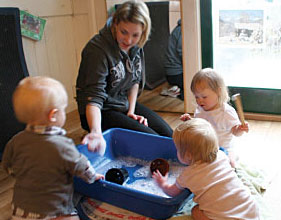
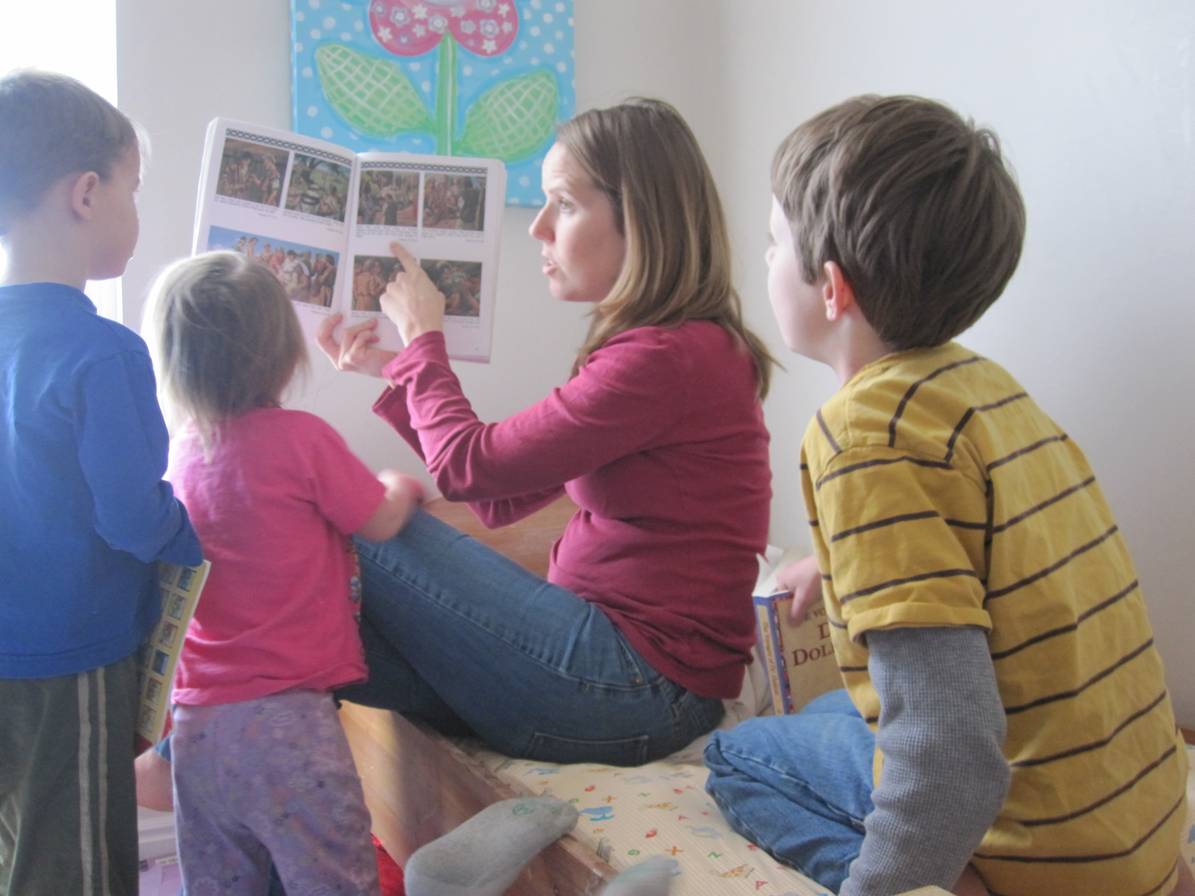
The Spark Station is not school, it is a tool that is used during school time or family structured learning time to inspire your children, if they choose to use it. Because The Spark Station is such an exciting tool and parents get so anxious for their children to use it, they often confuse it with school or structured family time, even calling school “Spark Station Time”. In every family I have mentored we have had to go back to the beginning and talk about this one point. During your structured family learning time, school time, educational time, structured time, reading time, whatever your family calls it, you gather together for the amount of time you have pre-determined and you learn together.

During this time The spark Station is available for your children to use. It isn’t available any other time of the day. It is open and they are free to explore the contents and “play” with whatever takes their fancy. On some days all of your children might find something they want to do in The Spark Station. You may have a child who wants to play a game that isn’t in The Spark Station or read a book or cook or any number of other possibilities. The Spark Station is just one tool in your educational arsenal to create and inspire a learning atmosphere.

I always have one or two families that feel, once they learn about The Spark Station, that they have to spend all their structured time in one room, every day. This isn’t the case. It is very important to have a fairly set time and stick to it. That time will, for the most part, be spent in the room where the family studies. This is also the room where your closet is located. But occasionally your structured time might be in the park talking about how ducks swim, why they don’t sink, what they eat, etc. You might be examining trees and bushes, flowers and weeds and comparing them, dissecting them, or naming them. Maybe you will visit a museum or the city water plant. Your structured time is about inspiring and learning, not about a room and The Spark Station.

Possibly Related Posts:


{ 0 comments }

Treasure Hunt Your House Part Three

by Mary Ann on May 5, 2010

Now let’s move to the office.

1. Of course in this room I will find many things to add to my junk box and my arts box. There are paper reinforcement circles, a paper punch, stapler remover, stapler and lots of staples, sticky notes of all types, sticky page markers, highlighters, pencils and pens of all types, plain paper, tag board, construction paper, lined paper, note books, folders, index cards, scissors, tape, glue, calculator, assorted stationary, note cards and envelopes, name badge labels and tags, to name a few items.

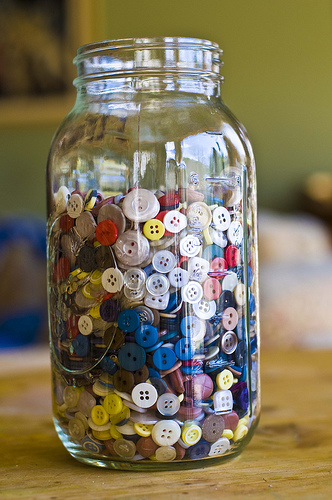
2. There is a jar of pennies. Pennies and loose buttons are great for creating pictures and scenes right on the floor or table. My children loved sorting the buttons into colors. They also liked putting the pennies into chronological order.

3. There is a box of family pictures to sort, mount and label in books

4. A check book from a closed account

5. An outdated planner

6. An unused address book

Let’s check out the bedroom (Mine, not the kids. Never put anything in the closet that belongs to a child without their permission):

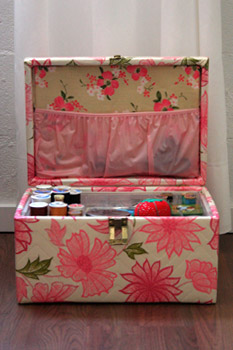
1. My sewing box – Many items in here can go into a box for children. Large needles, stray buttons, thread, material scraps, etc.Children as young as six can learn to baste, cross stitch and sew on buttons.

2. Old socks – these could be added to my sewing box along with a book on puppet making,

3. Ace bandages, old stethoscope and Band-Aids. A thermometer.

4. My old scrapbooks and year books from school.

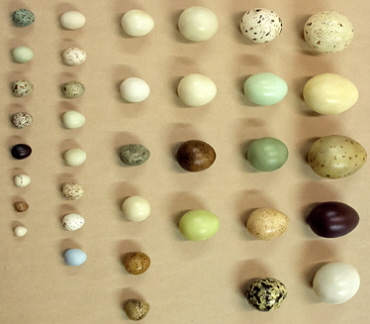
5. A collection of glass, rock and wooden eggs from all over the world. I would add a globe or map so we could locate where they came from.

6. A broach and a bolo tie made with Alaskan Scrimshaw. A book would go with this about scrimshaw and also information on the Inuit and Alaska.

7. An antique watch from an ancestor. This would make a good story time item.

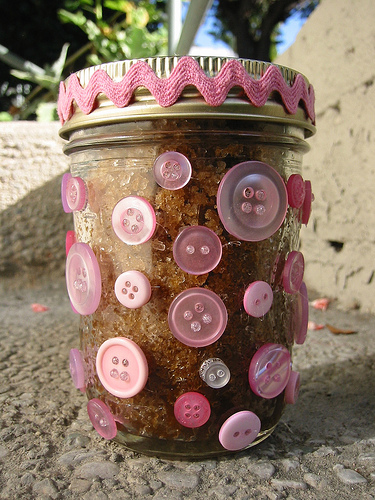
8. A dish of large salt crystals. I would add the supplies to make crystals both salt and sugar. A book on crystals would be fun. These large salt crystals were made for the bath. You could help children make perfumed salts for their baths.

Simple Scented Bath Salt Recipe
• 16 ounces all-natural bath salt
• 15-30 drops of essential oil
In a mixing bowl, add drops of the essential oil to the bath salt and mix well. Store bath salts in a jar. Add 1/3 to 1/2 cup of the scented salts to a bath for a soothing, luxurious experience!

9. A guitar is in the corner. I would find someone who plays and invite them to school on the day I added it to The Spark Station or thestudy/family room. I would add a CD of guitar music from the library.

10. Old shoes that someday I was sending to the thrift store. Great for imaginative play.

11. Old jewelry that I don’t wear anymore. Also good for imaginative play.

12. Two beautiful, sequined boxes which I thought I would use but haven’t. Who knows what a child might find to do with these.

Finally let’s check out the bathroom. Even here I found some items to add to my junk box:

1. cotton balls, Q-Tip swabs, small paper cups

2. small round mirrors

3. A medicine syringe. I would add my turkey baster and a plastic tub of water for some real water fun.

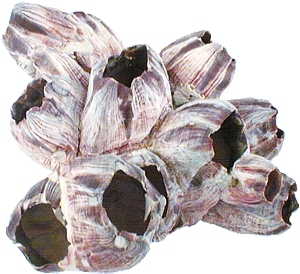
4. A beautiful barnacle and assorted shells. I would add a book on the ocean, shells and sea animals and fish. If you have smallchildren let them touch the shells while you talk about them. Show them the pictures of sea creatures. Have some plastic fish etc. that you can add to their bath or for play during family learning time.

Take the time to go through your home room by room and find wonderful items that you can use to inspire your children. Take the time to create a magical learning space for your children. It doesn’t take money; it takes thought and a little time.

Be sure and check out Part 1 [Creative homeschool ideas for making learning fun] and [Treasure Hunt your house Part 2]

Possibly Related Posts:


{ 0 comments }

Treasure Hunt Your House Part Two

by Mary Ann on May 5, 2010

Remember that I talked about going through your home room by room to find what you already have in your house that can excite and inspire your children. Let’s continue the tour of my home with the living room.

1. I have a frog made of wood from some foreign country. When you rub its back with a little stick it croaks. Add it to The Spark Station with a book on frogs.

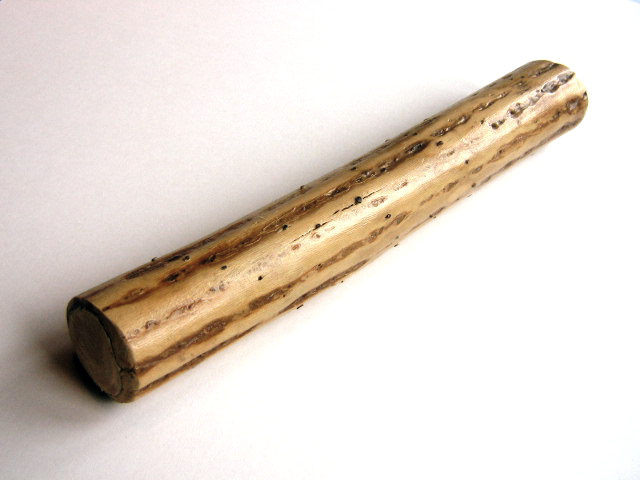
2. I also have a rain stick, a musical instrument made from a piece of cactus. When you tip it over the tiny seeds inside sound like falling rain. Add a book on the instruments found in the percussion section of a band or orchestra.  Provide materials for making a few instruments. Have a family band concert for dad. Go to a concert. Get a CD of percussion instrument music.

3. I have two wonderful kaleidoscopes. When I add these to the closet being present is a must to keep them and the children safe. One is shaped like an egg. They are easy to make.

4. I have a shelf of minerals and crystals that my daughter has collected from around the world and given to me. These would begreat in a box with a book about rocks and minerals. Then the children could find and name them. They could be mounted on a board,labeled and hung up. You can purchase minerals at rock shops and in souvenir shops or go rock collecting.

5. I collect eggs. I have some beautiful mounted eggs in frames. I could add them to the closet and then when my grandchildren show interest carefully share them. I can talk about why I collect them, how magnificent I think they are. I could have a book of eggs and we could find and name them. If you have a collection, find a safe way to share it with your children. Help them start a collection.

6. I have a harpsichord. It sits in the corner and no one notices it. If I put it in The Spark Station and added a beginner book who knows what might happen.

7. I have a basket of assorted pine cones. Some are still shedding seeds. I would add a book on pine trees and their cones. In our yard is a pine tree that drops tiny cones. If these were put in the closet they would make a great picture collage.

8. Of course I have a whole wall of book cases in the living room. They are available all the time. However, if I pull a few out and add them to the closet they all of a sudden become interesting and get read.

Do you see how you can come up with the most amazing things? All these items are in my home all the time but my grandchildren never notice them. However, when they are put away in the closet and only available at special times, when a parent is emotionally and mentally present they take on a whole new aura, they become fascinating. Then these simple items can be a jumping off point to go on to some other related topic of interest.

Possibly Related Posts:


{ 0 comments }

Kitchen Crafts In Your Spark Station

by Mary Ann on May 4, 2010

The fourth item on my kitchen list was assorted macaroni, peas, dried beans and lentils. These can be used to make wonderful collages which can be left plain or painted.

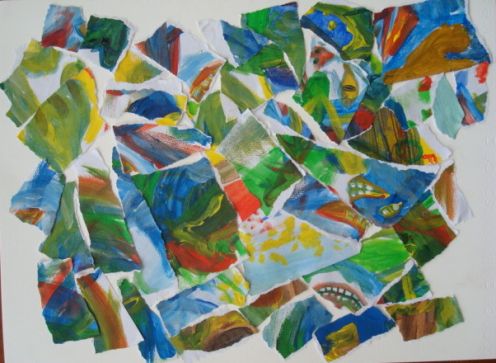
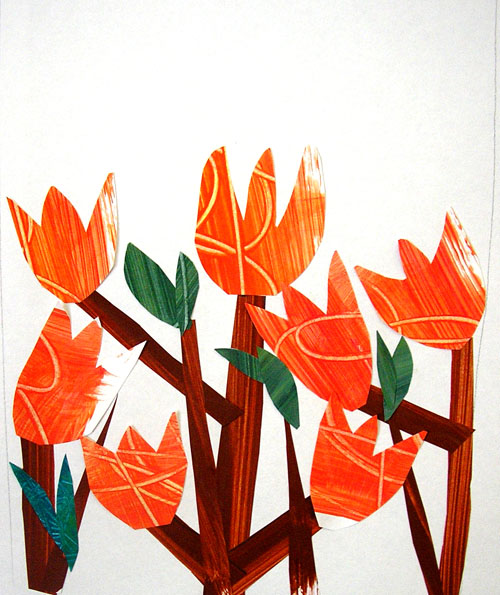
A collage is a work of formal art, made from an assemblage of different forms, thus creating a new whole. This is an interesting bit of information to share with children while they are busily creating just that. Again, you can see that it is important for you to be present both physically and mentally so that you can have “familiar conversations” with your children.

A collage may include newspaper clippings, ribbon, bits of colored or hand-made papers, portions of other artwork, photographs, a piece of moss, and other found objects, glued to a piece of paper or canvas. Here are some artist that have done collages; Pablo Picasso, Georges Braque, Juan Gris, Henri Matisse, and Cecil Touchon.

So how can you use this in your Spark Station? Gather a wonderful assortment of dried beans, macaroni and so forth. They can be in separate jars or bags or be mixed together. These would be in a box or tub along with very stiff paper or paper plates. It works best to provide tacky glue which holds better than school glue and dries more quickly. Allow children to create in whatever way they want.

The next day they could paint their creations. You could also add books of art work with large colored pictures. Find those which are collages. Talk about why they are different from other art works in the book. Have a book on Picasso who was a famous Spanish painter.

On another day you could have some pictures of modern art works made with newspaper clippings, ribbon, bits of colored or hand-made papers, portions of other artwork, photographs, a piece of moss, and other found objects. Have a box of assorted stuff that your children can turn into this type of collage.

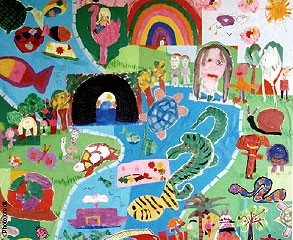
When I googled “children’s collages” a magnificent array of great work by children came up. It would be worth printing some off in color to show your children what wonderful things can be made.

On another day empty frames could show up in the closet and you could help your children frame and then hang their art work. Children 8 and older will love measuring walls and hammering nails to get the job done. All they need is a bit of supervision.

I might mention here the need for parents to let children “do”. We are usually so invested in how it looks when all is said and done that we do too much for our children. We want the pictures on the walls so that they are ascetically pleasing. Your child may not care about that. Maybe she wants it at her/his eye level or in an odd place. If it is his or her room I would let that go. Are you interested in being in “House Beautiful” or allowing your children to think, decide and experience.

Possibly Related Posts:


{ 0 comments }